

In a secluded chalet in the heart of Quebec’s vast wilderness, electrical safety issues take on crucial importance. To inform tenants and owners about these challenges, we met with Simon Bergeron, an electrician specializing in remote properties. Drawing on his 15 years of experience, he shares his essential advice for ensuring a peaceful stay in the heart of nature.
Why electrical safety differs between a remote chalet and an urban residence
Camille Roy: How does the electrical safety of a remote chalet differ from that of an urban residence?
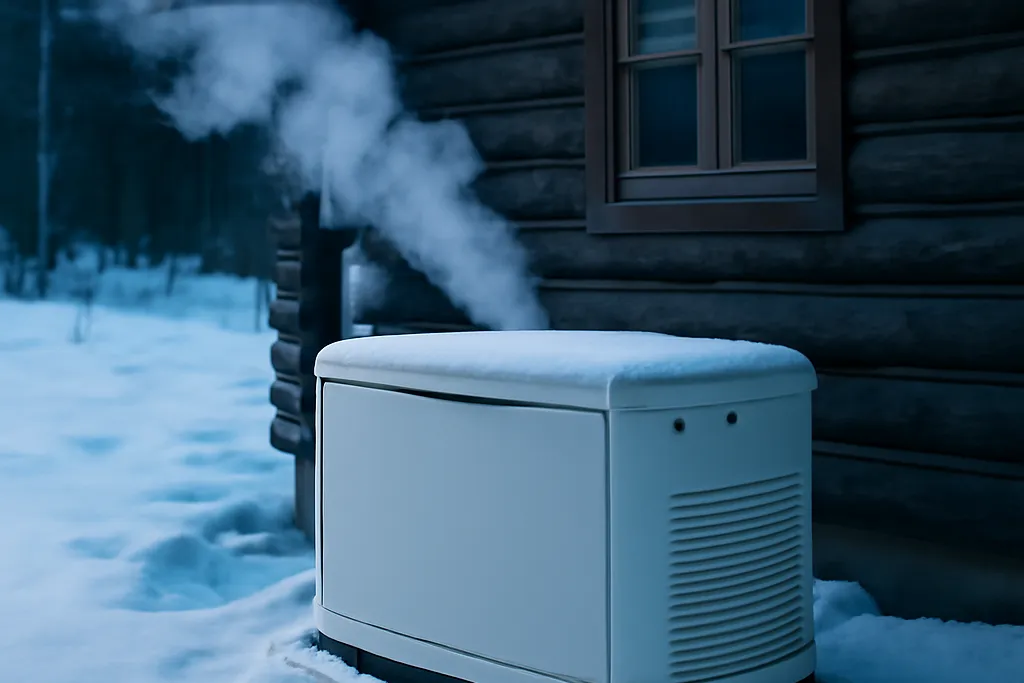
Simon Bergeron: Electrical safety in a remote chalet presents unique challenges compared with a home in the city. First, a remote chalet is often more exposed to severe weather, which can affect outdoor electrical installations such as overhead power lines. Snowstorms and strong winds can damage these installations, leading to prolonged outages. In addition, remote chalets are often off-grid, which means they depend on alternative energy sources such as generators. This requires specific installation and maintenance to ensure safety.
In an urban residence, the proximity of public services allows for a rapid response in the event of an electrical problem. By contrast, in a chalet, a power outage can last several hours or even several days. This is why it is crucial to ensure that all installations comply with standards and to plan backup solutions such as generators. Lastly, the frequent absence of an on-site owner at chalets makes them more vulnerable to wear and neglect, making regular maintenance essential.
How a backup generator works and when to use it
Camille Roy: Can you explain how a backup generator works and when it should be used?
Simon Bergeron: A backup generator is a device that supplies electrical power when the main grid goes down. Contrary to what one might think, it does not turn on automatically during every power outage unless automatic start systems are installed. For most remote chalets, it is essential to have a generator ready for use, especially in winter when temperatures can fall below -20°C.
Generally, a generator runs on gasoline or propane. When an outage occurs, it is crucial to follow the instructions provided by the manufacturer or chalet owner to start it safely. Its use should be limited to essential needs to avoid overloading the system. Typically, a backup generator can power the heating, lighting, and certain basic household appliances. It is recommended that it be used only when necessary and turned off as soon as power is restored to save fuel and minimize wear.
The most common mistakes tenants make with a fireplace or wood stove
Camille Roy: What are the most common mistakes tenants make with a fireplace or wood stove?
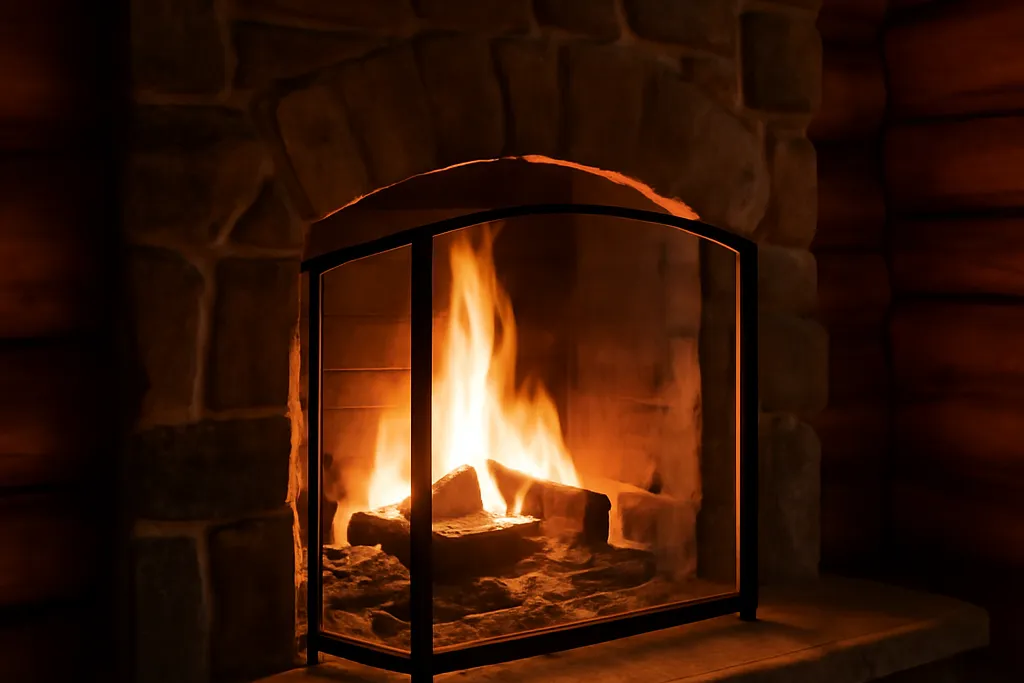
Simon Bergeron: One of the most common mistakes is overloading the fireplace or wood stove with too much wood. This can cause overheating and increase the risk of fire. Many tenants also fail to understand the importance of using dry, properly seasoned wood. Damp wood produces more smoke, which can block the chimney and create a risk of carbon monoxide poisoning.
Another common mistake is neglecting maintenance between uses. Ashes must be removed regularly, and the chimney must be inspected and cleaned at least once a year to prevent creosote buildup. Lastly, leaving a fire unattended is dangerous. Even if the fire appears to be out, embers may still be active and cause a fire. It is essential to always monitor the fireplace while the fire is burning and make sure it is completely extinguished before leaving the chalet.
What to do during a prolonged power outage in winter
Camille Roy: What do you recommend doing during a prolonged power outage in winter at a remote chalet?
Simon Bergeron: The first step is to check whether the main circuit breaker has tripped. If everything appears to be in order, contact the chalet owner or manager to report the problem. If you have a backup generator, it is time to use it to maintain the heating and lighting. It is also crucial to keep the fireplace or wood stove running, as they will provide continuous heat.
Avoid opening the refrigerator or freezer frequently to keep them cold for as long as possible. Use extra blankets to insulate windows and doors and minimize heat loss. During a prolonged outage, it is important to stay informed about weather conditions via a battery-powered radio and to have an evacuation plan if necessary. Lastly, make sure your cell phone is charged and that you have a backup means of communication, such as a CB radio.
Smoke and carbon monoxide detectors: what is mandatory
Camille Roy: Which detectors are mandatory in a remote chalet?
Simon Bergeron: In Quebec, every rented chalet must be equipped with smoke and carbon monoxide detectors if there are fuel-burning appliances, such as a fireplace or wood stove. These detectors are essential for preventing poisoning and fires. Smoke detectors must be placed on every floor of the chalet, while carbon monoxide detectors must be installed near bedrooms and in areas with fuel-burning appliances.
It is crucial to check that they are working properly before each rental. They must be tested regularly, and their batteries replaced at least once a year. If they have any questions, tenants can read this article on regulations and insurance to ensure compliance with current standards. Make sure to ask the owner for the date of the detectors’ most recent maintenance before finalizing the booking. These electrical safety standards are not unique to Quebec: similar requirements apply to the management of remote mountain chalets in France, where altitude and snowfall require the same precautions against power outages.
Limited cellular coverage: how to remain reachable in an emergency
Camille Roy: How can people remain reachable when cellular coverage is limited in a chalet region?
Simon Bergeron: In some remote regions of Quebec, such as certain areas of the Laurentides or Outaouais, cellular coverage may be limited or even nonexistent. Before leaving, it is wise to check network coverage with your mobile service provider. Once there, it is advisable to identify the areas where the signal is strongest.
To remain reachable, consider using a CB radio or satellite phone. These devices can be expensive, but they are very useful in an emergency. Always inform someone close to you of your location and plans before leaving. Lastly, some chalets, such as the Lac à la Pêche chalet, sometimes offer alternative solutions or specific equipment to compensate for this lack of network coverage. Make sure you are familiar with these options before you arrive. This is also an issue common to remote regions of Canada in general, as highlighted by this overview of stays and accommodations in the country’s remote regions, where preparing for areas without network coverage is an integral part of any successful stay.
What a tenant should check before arriving at a remote chalet
Camille Roy: What checks should a tenant carry out before arriving at a remote chalet?
Simon Bergeron: Before leaving, it is essential to confirm several points with the owner. Make sure the chalet is equipped with a backup generator and that it is in good working order. Ask whether the smoke and carbon monoxide detectors have recently been serviced and tested. Check for the presence of a fire extinguisher and first-aid kit.
Find out about the primary and backup heating sources. If a fireplace or wood stove is used, make sure you have enough dry wood available. Familiarize yourself with the property’s specific safety instructions, particularly in the event of a fire or power outage. Also read the article on four-season maintenance for appropriate maintenance advice. Lastly, ask for clear instructions on using the generator and the chalet’s other specific equipment.
Preparing a simple emergency plan for the whole family
Camille Roy: How can a simple emergency plan be prepared for the whole family in a remote chalet?
Simon Bergeron: Preparing an emergency plan is essential to ensure the safety of everyone staying in the chalet. Start by identifying emergency exits and outdoor meeting places in the event of a fire. Make sure every family member knows how to operate the fire extinguishers and smoke detectors.
Make a list of local emergency numbers, including those of the owner, emergency services, and the nearest neighbors. Plan for an alternative means of communication, such as a CB radio, and make sure everyone knows how to use it. Create an emergency kit containing blankets, flashlights, batteries, drinking water, and nonperishable food.
Lastly, practice this plan regularly with the whole family, especially the children, so they are ready to respond calmly if needed. The goal is for everyone to know their role and exactly what to do to minimize risks in an emergency. These safety practices also reflect the concerns discussed with our Quebec chalet property manager, who also coordinates emergencies on behalf of owners. For a large group, these precautions are doubly important: our guide to renting a chalet for a large family explains how to adapt the arrangements to a larger number of occupants.
5 quick questions — true/false
-
A backup generator starts automatically as soon as the power goes out.
False. Unless it is equipped with an automatic start system, most generators must be started manually.
-
A carbon monoxide detector is mandatory in all rented chalets in Quebec.
True. This detector is required whenever a fuel-burning appliance is present in the chalet.
-
The cellular network works everywhere in chalet regions.
False. Some areas have limited or nonexistent coverage; checking before departure is recommended.
-
A wood-burning fireplace requires no particular maintenance between rentals.
False. Regular maintenance, including chimney cleaning, is essential to prevent fire risks.
-
The main circuit breaker must be turned off before leaving a chalet in winter.
False. This could lead to freezing problems; it is preferable to follow the owner’s specific instructions.
Conclusion and key tips
To ensure a safe and pleasant stay in a remote chalet, here are some key tips to remember:
- Check the equipment: Make sure the generator and smoke and carbon monoxide detectors are in good working order.
- Plan for emergencies: Prepare an emergency plan and communicate it clearly to the whole family.
- Be aware of network limitations: Know the cellular coverage areas and plan alternative solutions.
- Regular maintenance: Make sure the fireplace or wood stove is properly maintained between each rental.
- Ask the owner: Request clear instructions and advice before arriving.
For any additional questions, please feel free to contact us.
FAQ
Q: Is a remote chalet legally required to have a backup generator?
A: It is not a general legal requirement, but it is strongly recommended for properties far from the grid, where winter outages can last several hours or even days.
Q: How can I know whether the rented chalet has a carbon monoxide detector?
A: You must ask the owner explicitly before booking and check that it is present upon arrival, as this equipment is mandatory in Quebec whenever a fuel-burning appliance is present.
Q: What should I do during a power outage in the middle of winter at a remote chalet?
A: First check the main circuit breaker, contact the owner or manager, keep the fireplace burning if available, and avoid opening the refrigerator unnecessarily so it stays cold.
Q: Does the cellular network work in every chalet region in Quebec?
A: No, some areas of the Laurentides, Mauricie, or Outaouais have limited or no cellular coverage; it is advisable to check coverage before departure and plan for an alternative means of communication.
Q: Is technical knowledge required to use a generator at a rental property?
A: No, the owner or manager must provide simple, clear instructions; if in doubt, it is better to call the emergency number than to operate unfamiliar equipment on your own.