
Reading time: 10 minutes
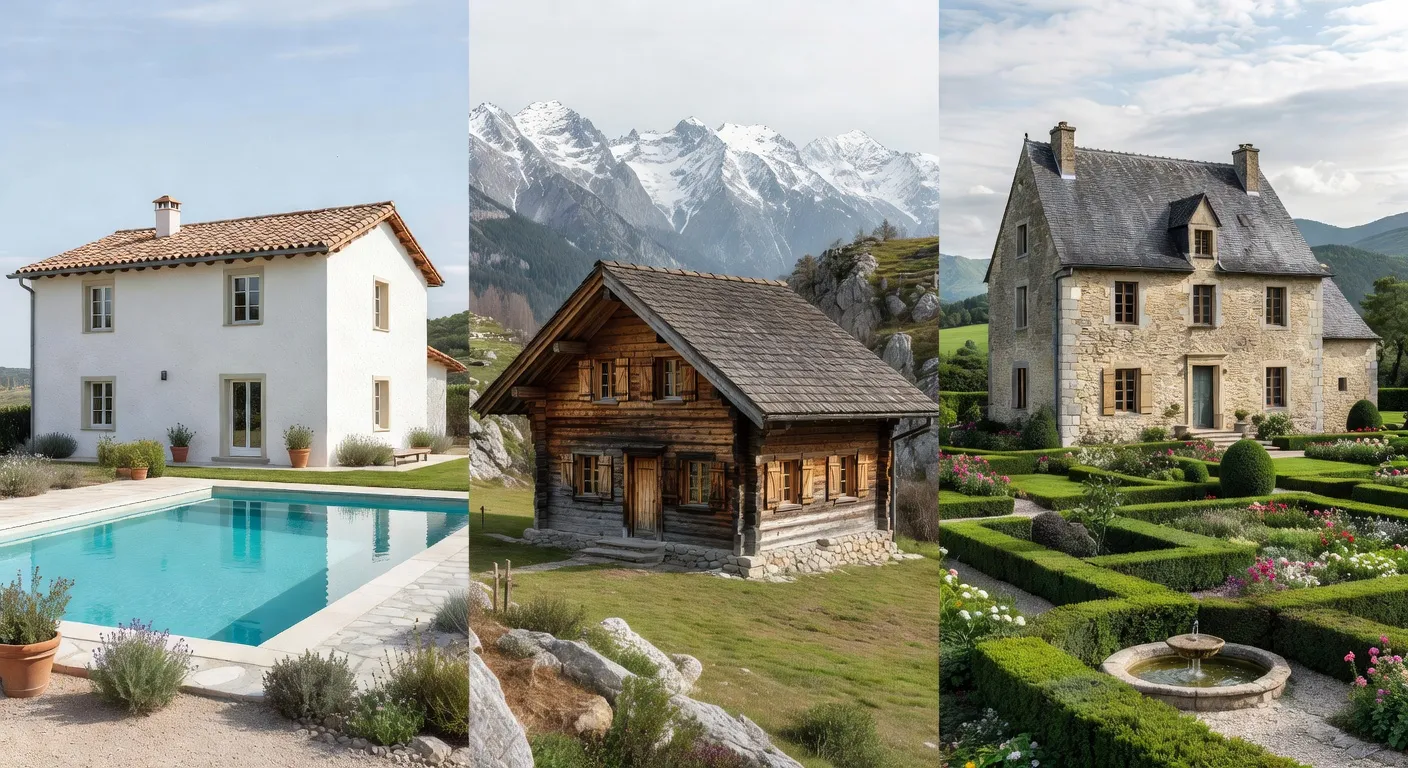
"We're spending the week at the villa." "We have a chalet in the Laurentians." "He inherited the family manor." These three sentences immediately summon very different images — even though the exact boundary between the three terms often stays fuzzy in everyday conversation. That fuzziness is a pity: knowing the distinctions precisely leads to better real estate, rental or simply cultural choices.
This guide synthesizes seven essential differences. For the long-form definition of each term, see also our complete guide to the manor.
1. Geographic and cultural origin
This is the most structuring difference: the three architectures do not share the same origin.
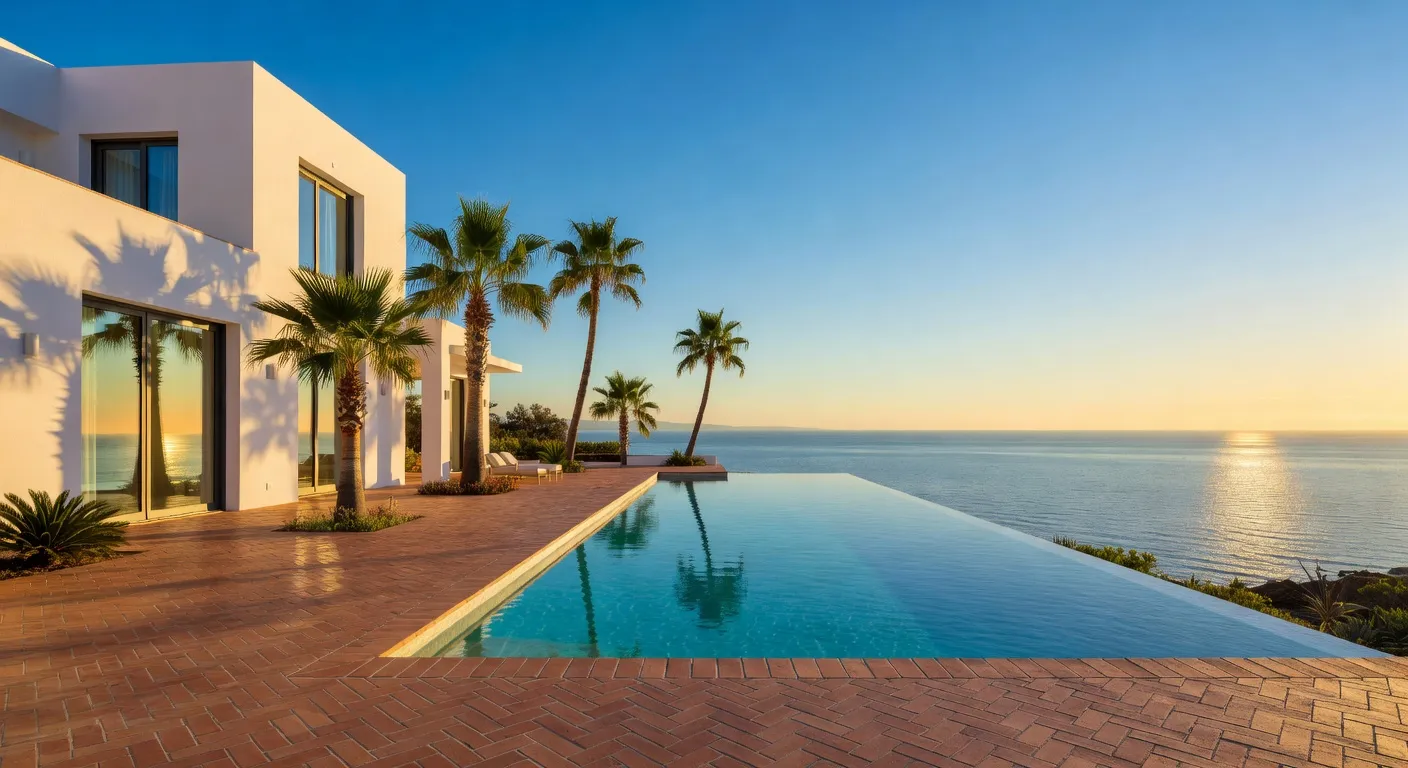
- Villa — ancient Roman origin. The villae were the agricultural estates of the Roman nobility, set in Mediterranean rural areas. Hadrian's Villa at Tivoli, the Villa of the Mysteries at Pompeii are the ancestors of what we now call a villa.
- Chalet — Alpine origin. The word comes from the Franco-Provençal chalèt, which originally designated a high-altitude shepherd's hut where cheese was made in summer pasture. The contemporary Alpine chalet derives directly from these utilitarian buildings.
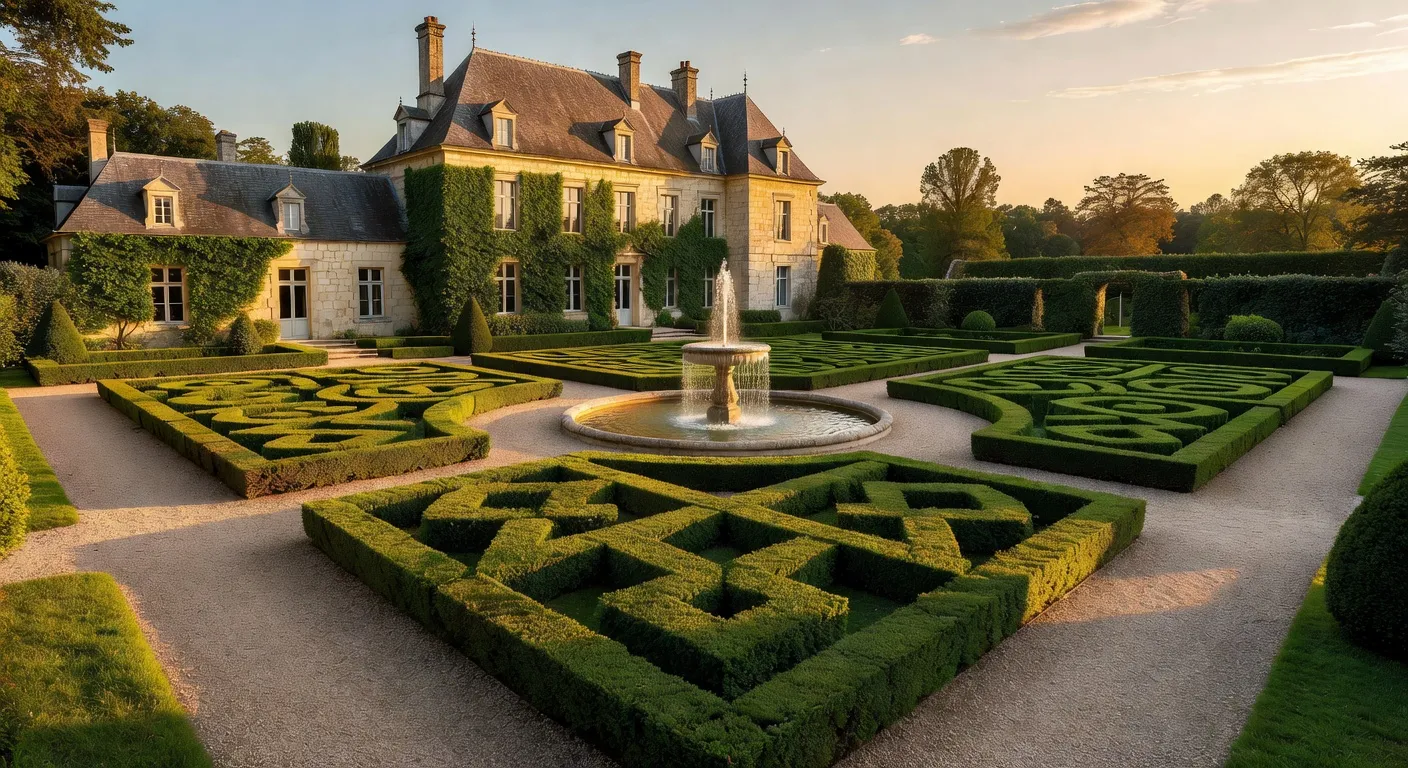
- Manor — medieval feudal origin. The manor is the residence of the seigneur of a fief in north-western Europe (France, England, Normandy in particular). Its function is residential and administrative, never military (otherwise it would be a castle).
That origin still permeates each architecture. A modern villa on the French Riviera still takes inspiration from the Roman model; a contemporary Quebec chalet remains beholden to the Alpine model imported in the 19th century; a manor, even a new one, quotes medieval or Renaissance codes.
2. Reference climate
The three architectures are opposite answers to opposite climates.
| Type | Reference climate | Architectural logic |
|---|---|---|
| Villa | Mediterranean, subtropical, tropical | Openness to the outdoors, shade, cross-ventilation, pool |
| Chalet | Mountain, boreal, alpine | Compactness, insulation, fireplace, pitched roof, snow protection |
| Manor | Temperate oceanic (western France, England) | Thick stone, multiple chimneys, reduced windows, thermal regulation |
A villa transplanted into a cold climate is an energy catastrophe: large bay windows, outdoor terraces, pool — all elements unsuited to -25°C. Conversely, a Quebec chalet on the French Riviera would look absurd with its ultra-pitched roof and small windows.
The manor is designed for the mild oceanic climate of France or England: gentle temperatures year-round, lots of rain, little snow. Its thick stone and numerous chimneys regulate both summer heat and winter cold within a high-thermal-mass envelope.
3. Dominant materials
Each architecture was born from the local materials available.
- Villa — limestone, stucco, marble, terracotta (tiles, floors), warm pigmented paints. The aesthetic is bright, light, Mediterranean.
- Chalet — wood (pine, larch, spruce depending on the region), local natural stone as an accent (fireplace, base). The aesthetic is rustic, warm, organic.
- Manor — cut stone (limestone, granite, sandstone depending on the region), slate for the roof, noble wood (oak) for the frames and interior panelling. The aesthetic is solid, sculptural, hierarchical.
In Quebec, the local adaptation is interesting: the "chalet" fully adopted wood, the contemporary "villa" borrows rather from the California house (glass, concrete, horizontal lines), and the rare "manors" are fieldstone with steel or slate roofing.
4. Typical size
Contrary to a widespread idea, this is not the most distinctive criterion. But orders of magnitude exist.
- Villa — generally 200 to 800 m² of living space, with 4 to 12 bedrooms. Lots are large: 2,000 m² minimum, often several hectares in prestigious Mediterranean estates.
- Chalet — historically small (50 to 150 m²), today very variable: from an 80 m² cabin to a 600 m² luxury chalet with spa. The golden rule remains that a good chalet does not exceed 250 m² (beyond that, it loses its soul).
- Manor — typically 400 to 2,000 m² of living space, with 8 to 30 rooms. Historic manor estates can include multiple outbuildings (orangery, stables, chapel, dovecote).
As Marc Tremblay points out in our interview on Quebec chalet architecture, oversizing a chalet is the most frequent mistake: the quality of a chalet lies not in its size but in its relationship to the landscape and to natural light.
5. Primary use
The use declared by owners varies markedly by property type.
| Type | Primary residence | Secondary residence | Seasonal rental |
|---|---|---|---|
| Villa | Often (mild climate) | Very frequent (French Riviera, Italy) | High (summer) |
| Chalet | Rare (except new lifestyle trends) | Majority use (90%) | High (summer and winter) |
| Manor | Variable depending on upkeep | Frequent in western France | Possible but complex (high-end gîtes) |
The chalet is by far the most versatile in seasonal rentals: demand covers the whole year (skiing in winter, hiking and lake in summer), with two clear peaks (Christmas and July). The villa suffers from summer concentration (June-September), the manor from high upkeep costs that reduce yield.
6. Price ranges in 2026
Here are realistic orders of magnitude for a 2026 purchase, by type and region.
| Type | Prized region | 2026 purchase price | Peak-season weekly rental |
|---|---|---|---|
| Modern villa | French Riviera, Costa Brava | €1.5M to €8M | €5,000 to €25,000 |
| Luxury chalet | Mont-Tremblant, Sutton, Megève | CA$1M to CA$5M | $2,500 to $12,000 |
| Restored historic manor | Loire, Périgord, Normandy | €1.5M to €10M | €3,500 to €15,000 |
| Standard family chalet | Mauricie, Laurentians | $250,000 to $600,000 | $1,500 to $4,500 |
The standard family chalet remains the most accessible entry, especially in Quebec where market depth stays strong. For a rental experience, see the Lac la Peche chalet in Mauricie, the Mont Sutton chalet in the Eastern Townships or the Domaine du Lac Marsan in the Laurentians.
7. Long-term heritage potential
Over 30 or 50 years, how do these three property types behave in value?
- Mediterranean villa — average historical appreciation of 3 to 5% per year, but high volatility tied to regional tourism cycles (Greek crisis 2008-2015, post-Brexit British pullbacks, etc.). Very exposed to climate risks (fires, droughts, sea-level rise in some areas).
- Luxury chalet in a prized region — appreciation of 4 to 6% per year since 2010 in markets like Mont-Tremblant, Saint-Sauveur, Sutton, Megève. The growing scarcity of quality resort land pulls prices up. Less climate-exposed seasonality (shorter snow season but a longer overall chalet season).
- Historic manor — very variable appreciation (1 to 4%) because it depends on the building's condition and character (listed Monument Historique or not). Structurally high upkeep cost (3 to 5% of value per year). But a sentimental and cultural value that is priceless.
For an investor seeking the best return-to-risk ratio, the luxury chalet in a prized Quebec or Swiss region remains the strongest placement in 2026. Mediterranean villas stay attractive but demand fine geographic analysis. Historic manors should be favoured for heritage passion more than for yield.
Summary table — which property for which project?
| Your priority | Recommended type | Why |
|---|---|---|
| Sun, sea, outdoor living | Villa | Architecture designed for mild climate and the outdoors |
| Nature, mountains, intimacy | Chalet | Compactness, fireplace, human scale, direct link to forest and lake |
| History, prestige, heritage | Manor | Loaded with history, social status, formal gardens, collections |
| Profitable rental investment | Luxury chalet in a prized region | Four-season demand, controlled upkeep costs, sustained appreciation |
| Primary residence in a cold climate | Well-insulated four-season chalet | Suited to the Quebec climate, energy-credible |
| Seasonal nomadic lifestyle | Villa in summer + chalet in winter | Optimal combination for everyday climatologists |
For those still hesitating between heritage daydreaming and the concrete experience, read the testimonial of a Quebec family that spends 4 months a year in a cottage each winter — a very different light from classic real estate discourse.
To explore vacation destinations across Canada more broadly, the voyage-canada.com portal devotes several guides to Quebec resort regions and to St. Lawrence architectural circuits.
FAQ — Villa, chalet, manor
Conclusion
Villa, chalet, manor: three architectures, three climates, three cultures. The right choice depends less on perceived prestige than on the actual use you envision, the climate where you live, and the time you will really spend in the property. For most Quebec and French families, the four-season chalet in a prized region remains the winning equation in 2026: flexible use, compatible climate, possible rental yield, solid heritage value.
If the chalet experience appeals to you, contact us — Soleica Chalets operates three chalets in three complementary Quebec regions: Eastern Townships, Mauricie and the Laurentians.