
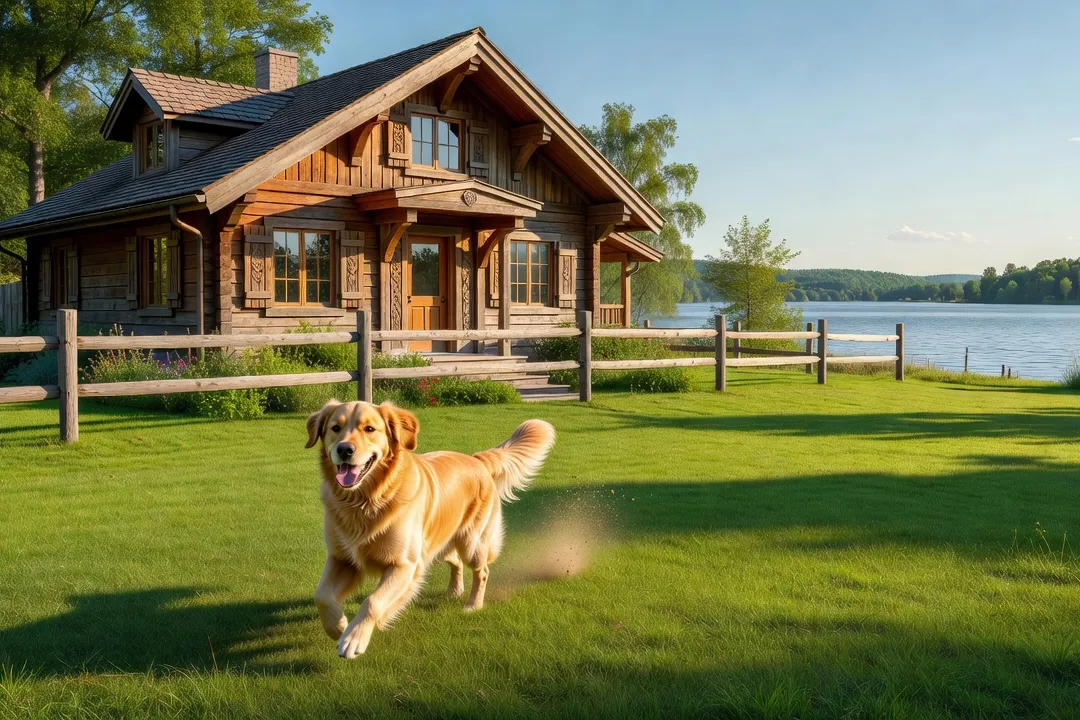
Dog-friendly chalets in Quebec are concentrated mainly in the Laurentians and the Eastern Townships, where fenced grounds and nearby trails make stays easy to organize. Before booking, it is important to check the owner’s policy regarding the number of pets, additional fees often set between 50 and 150 dollars per stay, and the presence of secure fencing.
Essential checks before booking with a dog
Each owner applies their own rules. Some properties require proof of recent vaccinations and prohibit dogs weighing more than 30 kilograms. Others accept dogs without size restrictions but require an additional security deposit. The rental agreement should be read carefully to identify clauses concerning damage caused by scratches or stains on floors.
Local regulations also vary by municipality. In some areas of the Laurentians, dogs must remain on a leash on public roads. Consulting the SPCA du Québec website provides information about general identification and sterilization requirements.
It is also helpful to ask whether the dog can be left alone in the chalet for a few hours. Several owners allow pets on the property but prohibit leaving them unattended, especially in accommodations adjacent to other rentals or near a lake. This rule is intended to limit barking, damage, and the risk of escape through a door left open.
The exact nature of the fencing deserves careful verification. A yard advertised as fenced may have a section open toward the woods, a low gate, or direct access to a driveway. For a nervous dog, an escape-prone dog, or one accustomed to digging, recent photos of the grounds and gates are more useful than a simple mention in the listing.
- Maximum number of pets allowed
- Pet cleaning fees
- Whether leashed lake access is permitted
- Presence of fencing more than 1.20 metres high
A summary table helps compare the options quickly.
| Region | Average dog fee | Common fencing | Lake access permitted |
|---|---|---|---|
| Laurentians | 75 $ | Yes | Yes |
| Charlevoix | 100 $ | Partial | Limited |
| Eastern Townships | 60 $ | Yes | Yes |
| Mauricie | 80 $ | Varies | No |
The regions best suited to dog owners
The Laurentians offer vast wooded properties and numerous marked trails. A detailed guide to properties chalet-laurentides-guide-2026 presents several chalets located less than five minutes from an outdoor dog park. The large lots allow dogs to exercise without encountering other hikers.
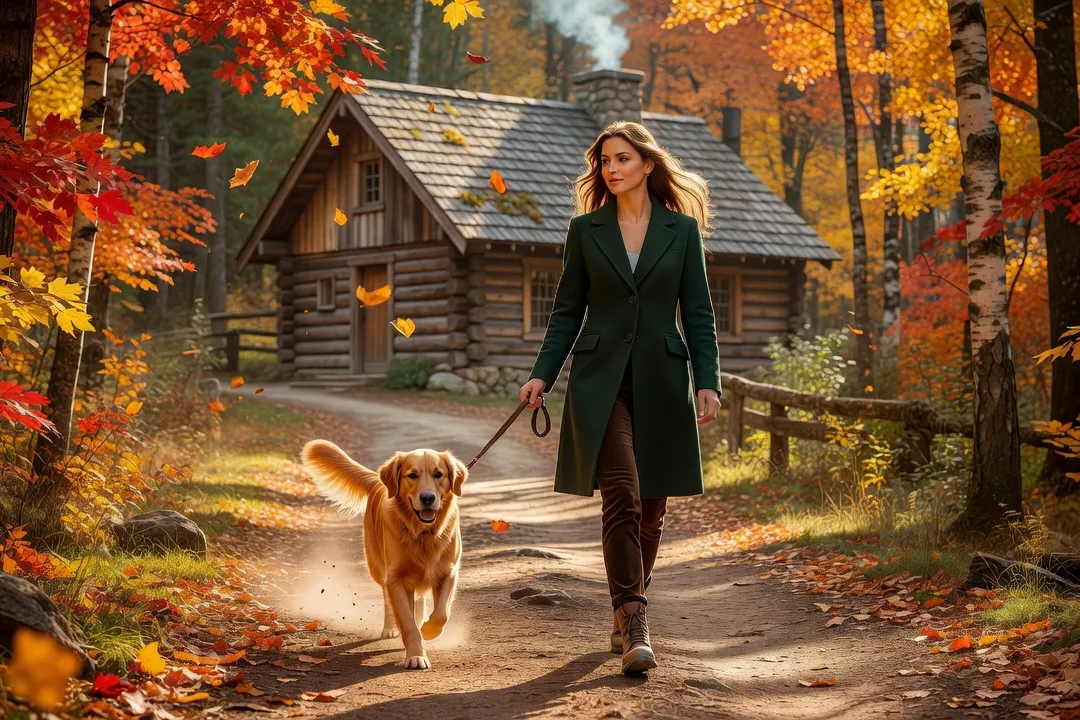
This region is particularly suitable for families wishing to alternate between short walks, swimming, and periods of rest at the chalet. Around Saint-Sauveur, Mont-Tremblant, or Sainte-Agathe-des-Monts, there are many forest trails, but some parks require a leash even on quiet trails. A sturdy long lead should therefore be brought rather than assuming that a wooded area automatically allows dogs to roam freely.
The Eastern Townships are another practical option thanks to the proximity of villages, veterinary services, and trails around Magog, Orford, or Sutton. The grounds there are often more open than in the densely forested areas of the Laurentians. This layout makes it easier to supervise a dog while requiring particular attention to secondary roads and sometimes nearby neighbours.
Charlevoix attracts lovers of coastal landscapes, but its beaches are often subject to seasonal restrictions. Rentals near Baie-Saint-Paul or La Malbaie are listed in the directory location-chalet-charlevoix-2026-baie-saint-paul-malbaie-petite-riviere. The terrain there is rockier, requiring closer monitoring of paw pads.
In this region, tides, wet rocks, and steep areas can surprise a dog accustomed to lakeshores. An outing along the shore should therefore be planned with a short leash, drinking water, and a paw check upon returning. Periods of heavy tourist traffic also require greater vigilance, as encounters with other dogs and bicycles can generate excitement.
Useful amenities to request for a comfortable stay
Some owners install an enclosed outdoor pen or an access ramp for older dogs. Requesting an outdoor water point and shelter from mosquitoes reduces the risk of escape. Elevated decks fitted with removable gates are among the most frequent requests.
A designated drying area is also useful after swimming or a walk in the rain. An entrance with a washable mat, leash hook, and bench makes it possible to clean the dog before it enters the main rooms. In chalets with wooden floors, providing a dog bed or dedicated blanket prevents the animal from settling directly on sofas and beds where it is not allowed.
It may be useful to ask whether patio doors have sturdy screens and whether windows can remain partially open without any risk of escape. Dogs attracted by squirrels or cooking smells may push through a lightweight screen. Likewise, a balcony without side enclosures is not always suitable for small dogs or animals uncomfortable with heights.
The outdoor design guides amenagement-exterieur-terrasse-quai-jardin-chalet-quebecois-guide-2026 explain how to incorporate these elements without modifying the chalet’s structure. A simple absorbent entrance mat limits the spread of mud indoors.
Dog safety near the water, BBQ, and fire pit
Quebec lakes have slippery shores and rapid changes in depth. Keeping the dog on a leash during its first approaches to the water prevents falls. Outdoor fire pits should remain extinguished when the dog is alone in the yard, as embers attract paw pads.
Even a strong swimmer can tire quickly in cold water or try to climb out along a bank that is too steep. A life jacket suited to the dog’s weight makes it easier to spot and helps it return to the dock. Throwing a toy too far should also be avoided: waves, watercraft, or the current in a larger body of water can quickly change swimming conditions.
The dock deserves particular attention. Gaps between boards can trap a claw, and wet surfaces become slippery after rain. Installing a small ramp or designating a specific area for entering and leaving the water reduces the risk of injury. Dogs should not roam freely around a motorized boat, fishing rod, or box containing hooks.
The Ordre des médecins vétérinaires du Québec notes that paw burns are among the most common summertime veterinary consultations. Placing a portable barrier around the BBQ and fire pit is a simple and effective precaution.
How to behave around local wildlife
Black bears frequent wooded regions starting in spring. Putting away food bags and bowls after every meal limits nighttime visits. White-tailed deer sometimes cross country roads at dawn; reducing speed on private roads protects both the dog and the wild animal.
Small animals also require caution. A dog chasing a squirrel, groundhog, or porcupine can quickly stray from the property, even if it seems very familiar with the area. Porcupine quills require veterinary care and should not be removed without proper assistance. Keeping the dog on a leash at dusk limits this type of encounter.
Ticks are also present in several rural and wooded areas. After a hike, it is recommended to inspect the ears, neck, armpits, groin, and spaces between the toes. Preventive treatment discussed with a veterinarian before departure remains easier than an intervention once the stay has begun.
Parks Canada publishes recommendations each year on coexisting with wildlife in recreational areas. These guidelines also apply to private properties located near park boundaries.
Best practices for a stress-free, damage-free stay
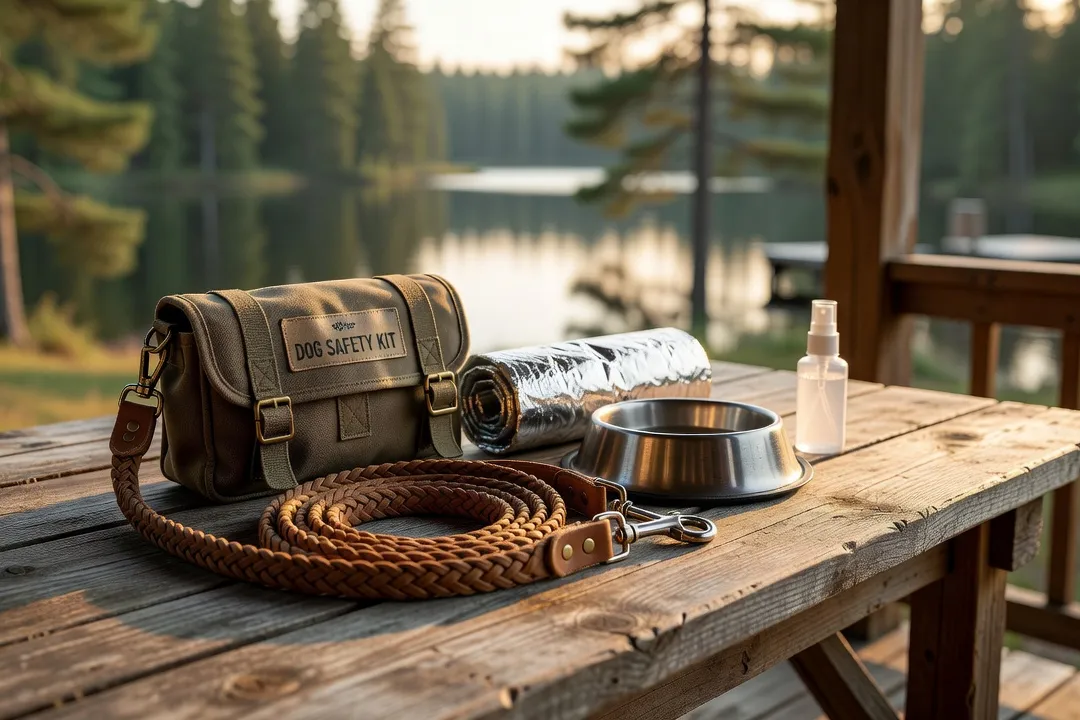
Preparing a kit containing the leash, waste bags, and an absorbent towel makes it possible to respond quickly to unexpected situations. Cleaning the dog’s paws before each entry into the chalet reduces the risk of damage to floors.
It is preferable to bring the dog’s usual food rather than change its diet during the stay. A change in kibble, combined with the journey and a new environment, can cause digestive problems that are difficult to manage in an isolated chalet. Bringing a stable bowl, a suitable cleaning product, and extra bags also helps maintain the condition of the property.
Upon arrival, a short tour of the grounds with the dog makes it possible to identify stairs, plants, vehicle traffic areas, and any holes in the fence. This familiarization reduces agitation during the first few hours. For anxious dogs, maintaining meal, walking, and bedtime routines helps limit barking or destructive behaviour.
Owners often require a final inspection before departure. Reporting any mark or stain immediately helps avoid deductions from the security deposit. The maintenance and insurance rules applicable to short-term rentals are detailed in the document reglementation-assurance-location-chalet-court-sejour-entretien-2026.
Before leaving the chalet, the grounds, areas under furniture, and surroundings of the dock should be checked to retrieve toys, bags, or the leash. Leaving the yard clean and removing hair from used areas makes returning the keys easier and encourages a positive assessment of the stay by the owner.
FAQ
What proof of vaccination is usually required?
Most owners require an up-to-date vaccination record for rabies and kennel cough. A digital copy sent before arrival is generally sufficient.
Are dog fees negotiable?
Fees remain fixed in most contracts, but some owners accept a reduction if the dog is small and already accustomed to chalets.
Can a dog swim in the chalet’s lake?
Access depends on the posted policy. When the lake is private, swimming is often allowed under supervision, but steep banks require constant vigilance.
How can you prevent the dog from barking at night?
Setting up a dog bed in a quiet interior room and limiting outdoor stimuli after 22 h reduces nighttime barking reported by neighbours.
Are anti-bark collars allowed on the property?
Electric models are generally prohibited. Vibration collars or behavioural solutions are tolerated if the dog remains under control.