
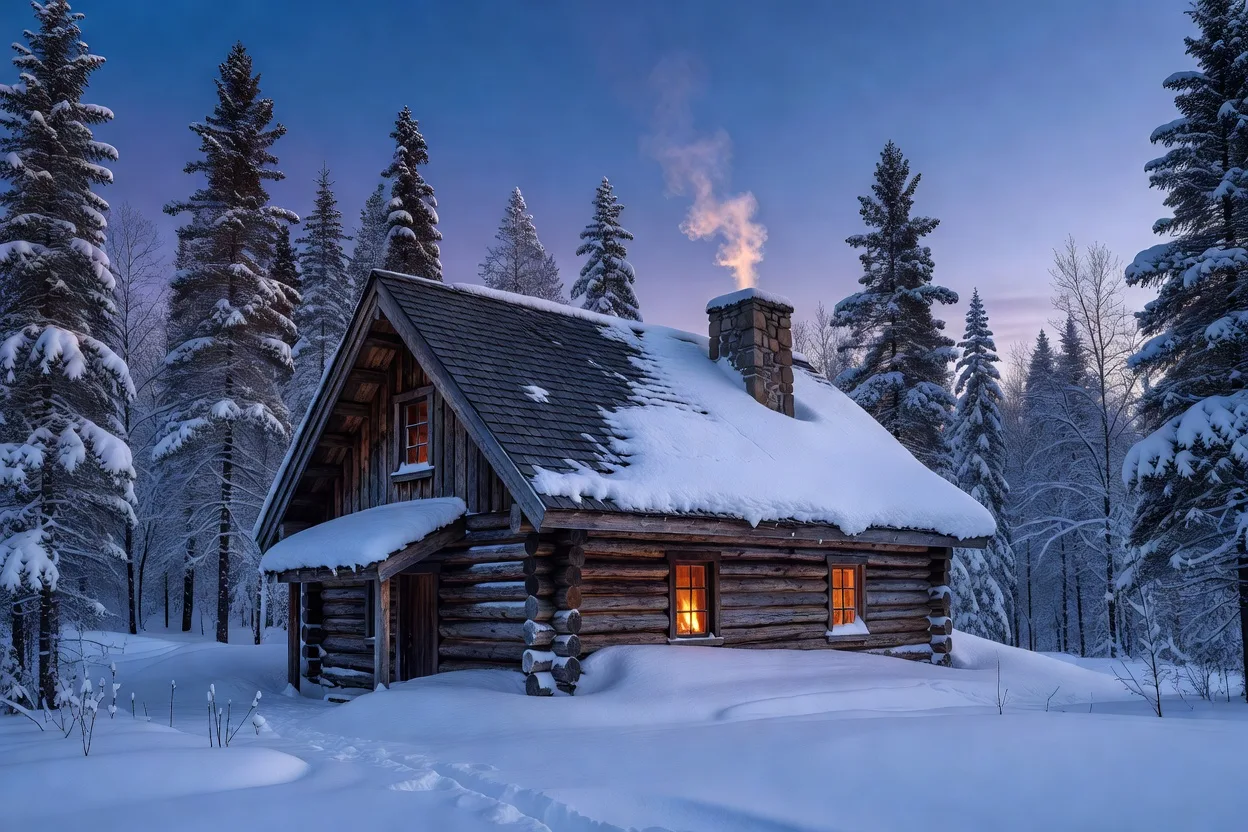
Closing a chalet for winter in Quebec takes more than locking the door on your way out. Between freezing temperatures that can burst a pipe within hours, insurers’ sometimes strict requirements, and the weight of unmonitored snow accumulating on a roof, winterizing a seasonal residence follows a precise technical protocol — and the cost of skipping a step quickly adds up to thousands of dollars in water damage. This checklist complements our guide on what to check before booking a Quebec chalet, written for tenants rather than owners.
This guide details the essential steps for closing a chalet safely, whether it sits completely empty all winter or is only visited occasionally on weekends.
Plumbing: The Number-One Priority Before the First Freeze
Water that freezes inside a pipe can burst it within hours, and the damage often only becomes visible once it thaws, when the accumulated water spills into the chalet. This is the most common and costly water-damage scenario for a Quebec seasonal residence.
Two approaches exist to prevent it:
- A full purge. Close the main water shutoff valve, open every tap to let residual water drain out of the pipes, then close the taps once the plumbing is empty. This eliminates the freezing risk entirely since no water remains to freeze.
- Maintaining minimal heating. Keep the chalet warm enough that water in the pipes never freezes, which requires a reliable heating system and, ideally, remote monitoring in case of an outage.
For a chalet rarely visited in winter, a full purge remains the safer option: it does not depend on any continuous power source and therefore withstands the prolonged outages common during winter storms in remote areas.
The Water Heater: Draining It or Maintaining Minimal Heat
The water heater deserves separate attention from general plumbing, since it holds a significant volume of water in a metal tank sensitive to freezing. The standard procedure is to shut off the dedicated breaker before any intervention, then fully drain the tank through the drain valve at its base.
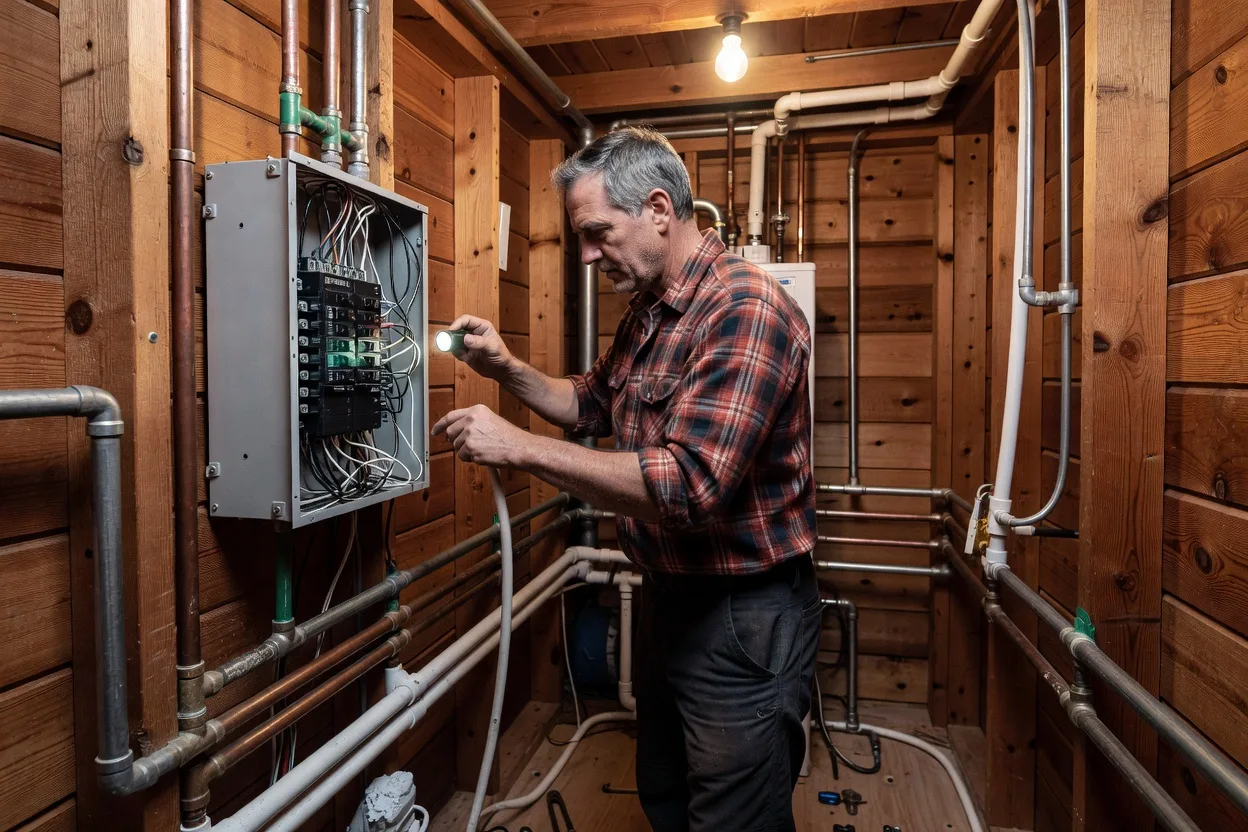
Forgetting to shut off the breaker before draining an electric water heater can damage the heating element, which must stay submerged to function properly. This simple step, often overlooked in the rush of a late-season departure, avoids a costly repair the following spring.
Minimal Heating vs. Full Shutoff: Two Valid Strategies
The choice between maintaining minimal heating and fully shutting off the water supply largely depends on how often the chalet is visited and how reliable the heat source is. For chalets that stay heated, Quebec’s Corporation des maîtres électriciens recommends setting the thermostat to a minimal position that keeps the temperature between 5 and 7°C — enough to prevent freezing without wasting energy on an unoccupied residence.
| Strategy | Main Advantage | Main Risk |
|---|---|---|
| Full plumbing purge | No dependence on a continuous power source | Chalet not immediately usable without re-filling the water system |
| Minimal heating maintained | Chalet ready for use at any time | Vulnerable to a prolonged power outage |
| Combination of both (heating + monitoring) | Stronger protection | Energy cost and monitoring logistics |
Some insurers require a minimum temperature of 10°C rather than 5-7°C to maintain coverage in case of water damage — a gap that makes it worth checking your own policy’s exact conditions rather than relying on a general rule of thumb.
The Roof and Snow Clearing: A Responsibility That Doesn’t End With Absence
An unoccupied chalet is not exempt from minimal upkeep obligations, particularly for the roof. Heavy snow accumulation can place significant structural load on a roof, and ice buildup near the eaves can cause water to back up under the shingles during a thaw.
The owner remains responsible for minimal upkeep of the roof, foundation and essential systems even while absent. In practice, this means either regular personal visits or relying on a trusted person who can check snow accumulation on the roof and that access areas are cleared — an obligation that echoes the duties detailed in our guide on waterfront property owner rights and duties on a Quebec lake.
This responsibility is not limited to the building’s structure: if someone is injured on a poorly cleared access — a delivery person, a neighbour checking the property, or an emergency responder — the owner’s civil liability may be engaged if minimal upkeep was clearly not ensured.
What Your Home Insurance Actually Requires
Most home insurance policies include a clause limiting coverage for freeze-related water damage when the residence remains unoccupied for more than four consecutive days during the heating season, unless specific measures were taken.
These accepted measures vary by insurer but generally include:
- a daily visit by a competent person who confirms the heating is working properly;
- shutting off the water inlet and fully draining the plumbing and appliances;
- maintaining a precise minimum temperature (often 10°C, sometimes less depending on the insurer).
The owner must also keep the building in a sufficient state of conservation to prevent deterioration — a broad clause that covers freeze protection, closing and caulking openings, and minimal upkeep of the roof and foundation. Before settling on a winterizing protocol, it remains essential to contact your insurer directly, since these requirements differ between companies and non-compliance can void a future claim.
Securing the Chalet Against Intrusions and Vermin
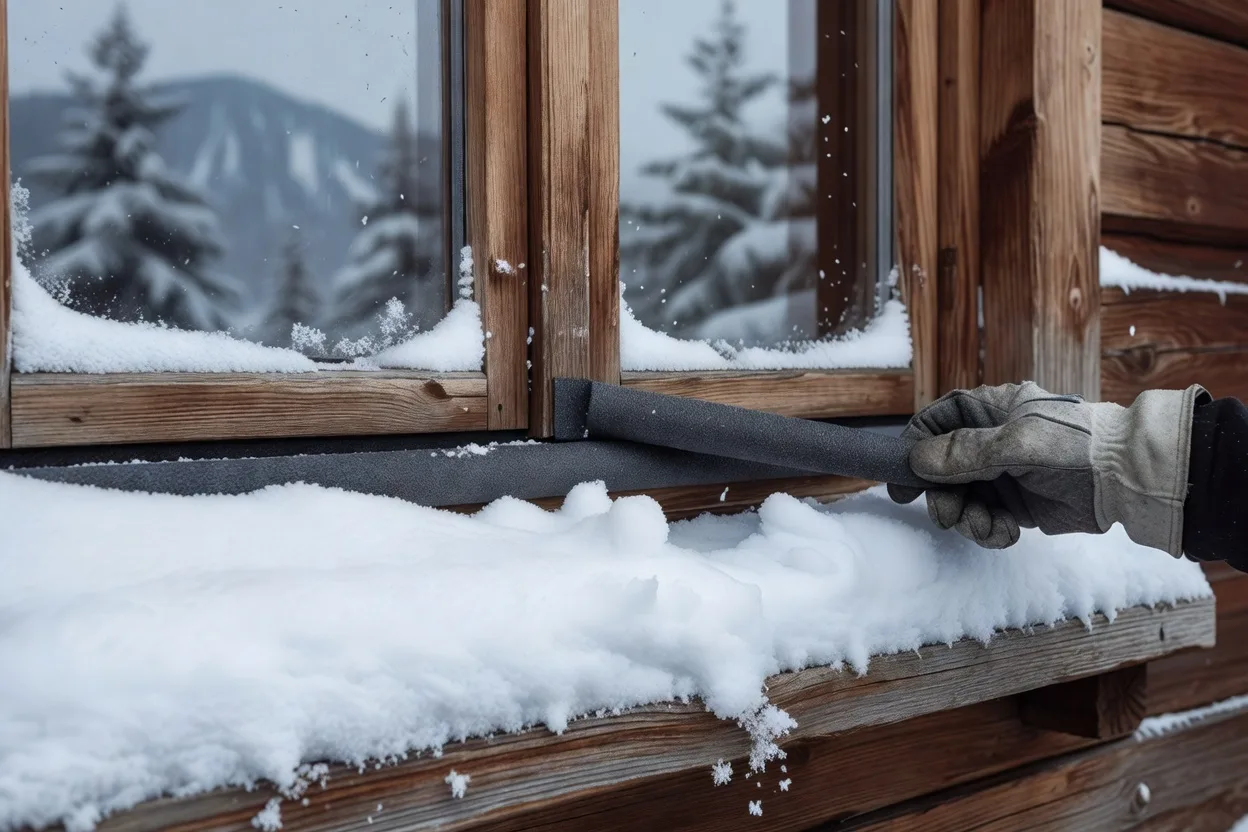
Beyond plumbing and heating, seasonal closing includes a security dimension that is often underestimated. Openings must be closed and caulked to prevent both cold-air infiltration — which worsens localized freezing risk — and the entry of small animals seeking winter shelter.
Securing access points against break-ins rounds out this precaution: a chalet visibly unoccupied for several months is a more exposed target. Some owners install a timer on an outdoor light or ask a neighbour or trusted person to visually check the property during the coldest months — a measure that directly overlaps with the regular-visit requirements imposed by several insurers, in the same spirit as the clauses detailed in our guide on chalet rental regulations and insurance.
Closing Checklist Before Leaving the Chalet for Winter
- Shut off the water at the main valve and fully purge the plumbing, or confirm reliable, monitored minimal heating.
- Shut off the water heater’s breaker before fully draining it.
- Check with your insurer the minimum required temperature and the exact coverage conditions for an extended absence.
- Arrange regular visits, either personally or through a trusted person, including checking snow on the roof and clearing access areas.
- Caulk openings and secure entry points against intrusions, both human and animal.
- Document the chalet’s condition with photos before leaving, useful for any insurance claim in spring.
Applied methodically every autumn, this sequence significantly reduces the risk of discovering major water damage — or an insurance non-compliance issue — once the thaw arrives.
FAQ: Winterizing a Quebec chalet
What minimum temperature should be maintained in an unoccupied winter chalet?
Quebec’s Corporation des maîtres électriciens recommends setting heating to a minimum that keeps the temperature between 5 and 7°C, enough to prevent pipes from freezing. Some insurers instead require a minimum of 10°C — always check your policy’s exact conditions before setting the thermostat.
Should I shut off the water or simply keep the chalet heated over winter?
Both approaches exist. The first is to close the main water shutoff valve, purge the pipes by opening taps to drain any residual water, then close the taps and fully drain the water heater after shutting off its breaker. The second is to maintain constant minimal heating. A full purge remains the safer method in case of a prolonged power outage.
What happens if there is a power outage during winter?
A prolonged outage can freeze and burst un-purged pipes, causing water to spill into the chalet once it thaws. If the chalet is not visited regularly, it is safer to shut off the water inlet and cut power to the pump before winter rather than relying solely on electric heating that is vulnerable to outages.
Does my home insurance cover water damage if the chalet sits empty for several days?
Most policies limit coverage for freeze-related water damage if the residence remains unoccupied for more than four consecutive days during the heating season, unless specific measures were taken: a daily visit by a competent person who checks that heating is working, or a complete shutoff and draining of the plumbing. Requirements vary by insurer — confirm directly with your own company.
Who is responsible for checking snow buildup on the roof during winter?
The owner remains responsible for minimal roof upkeep even while absent. A trusted person tasked with visiting the chalet at regular intervals can check snow accumulation on the roof and that access areas are cleared. If someone is injured due to poorly cleared access, the owner’s civil liability may be engaged.
How do I protect a chalet from intrusions during the off-season?
Common measures include closing and caulking openings to prevent air infiltration and the entry of vermin, along with securing access points against break-ins. Some owners add a timer on an outdoor light or ask a neighbour to visually check the property during the coldest months.