
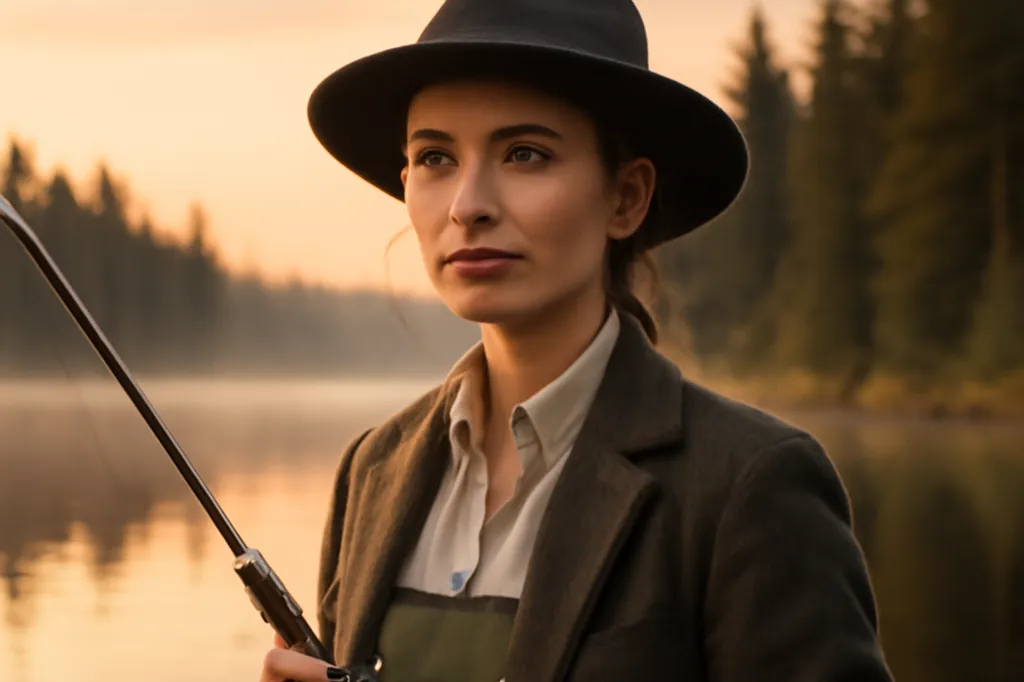
For first-time visitors, Quebec’s strongest fishing-lodge regions are Mauricie for accessible lake fishing, Outaouais for walleye, pike and bass, and Gaspésie for Atlantic salmon rivers. Late spring suits trout and walleye trips, summer offers the broadest lodge experience, and early autumn brings cooler water, colourful forests and fewer insects—although legal seasons vary by waterbody.
In this Editorial interview, wilderness and fishing guide Marc explains how international anglers can choose a lodge, understand Quebec regulations and enjoy the surrounding wildlife responsibly.
Three regions, three different fishing experiences
**Emma:** If an international visitor has never fished in Quebec, how would you describe Mauricie, Outaouais and Gaspésie?
**Marc:** Mauricie is the classic forest-and-lake introduction. It lies between Montréal and Québec City, yet much of its appeal comes from quiet roads, mixed woodland and an enormous number of lakes. Depending on the outfitter and waterbody, anglers may pursue brook trout, lake trout, walleye, northern pike or smallmouth bass. It is particularly convenient for travellers who want to combine guided fishing with a private chalet, hiking or paddling. Our [Mauricie chalet planning guide](/blog/location-chalet-mauricie-2026-parc-national-lacs-grandes-piles-shawinigan/) provides useful regional context around Shawinigan, Grandes-Piles and nearby lakes.Outaouais, west and north of Ottawa–Gatineau, has a strong outfitting tradition. Its larger lakes and river systems can offer walleye, northern pike, smallmouth bass and, in suitable deep waters, lake trout. Some lodges are reached by ordinary road; others involve long forest drives, a boat transfer or a flight. That range makes Outaouais suitable for both comfortable first trips and more isolated expeditions. Readers who understand French can also consult this interview about 25 years in an Outaouais outfitting operation.
Gaspésie feels completely different. The peninsula is known internationally for clear Atlantic salmon rivers, including rivers where fishing is carefully managed by sector, access system and daily rules. It also has mountain scenery, coastal villages and wildlife-viewing opportunities. A Gaspésie salmon stay is normally more specialized than casual lake fishing: anglers may need river-specific access, a salmon licence, appropriate tackle and instruction in casting or river etiquette. Tourisme Gaspésie is a reliable regional source for understanding the peninsula’s geography and seasonal travel conditions.
**Emma:** Does one region stand out for a complete beginner?
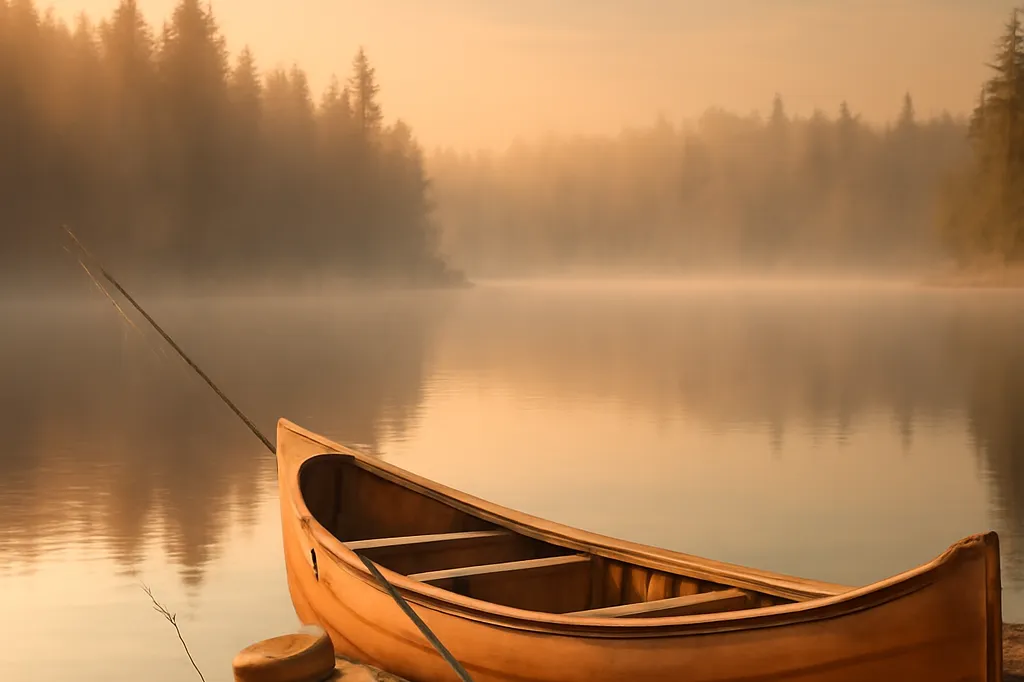
**Marc:** Mauricie or a road-accessible Outaouais lodge is often the simplest introduction, especially when boats, lifejackets and guiding can be arranged on site. A beginner benefits from relatively short sessions on sheltered water, rather than committing immediately to a long boat ride or an entire day wading a salmon river.That does not mean the fishing is effortless. Wind direction, water temperature, fish depth and local regulations still matter. The advantage is that a guide can choose manageable water and teach a small set of techniques—perhaps trolling for trout, jigging for walleye or casting along a shoreline for bass—without overwhelming the guest.
When to go and what you may catch
**Emma:** What are the most useful seasonal windows for planning a fishing-lodge stay?
**Marc:** Think in broad travel periods, not guaranteed fishing dates. In late spring, cold water can make trout more accessible, while walleye seasons begin on dates established for the applicable fishing zone. This period can be productive, but visitors should prepare for cold rain, high water, blackflies and mosquitoes.Summer generally provides the easiest logistics. Days are long, family members can swim or paddle where conditions permit, and lodges tend to offer their broadest range of activities. Fish may move deeper during hot weather, so guides often adjust the time of day, location and technique. Early mornings and evenings can become more important.
September and early autumn bring cooler nights, changing leaves and lighter insect pressure. Some species become more active as water temperatures decline, but legal seasons and lodge closing dates must be checked. Gaspésie’s Atlantic salmon calendar usually centres on summer and can extend into early autumn on certain rivers, subject to river-specific rules and in-season conservation measures.
Winter is a separate product. Some operators offer ice fishing, but a lodge that welcomes summer anglers is not automatically open or equipped for winter. Never walk or drive onto ice based only on its appearance; use an established operator that monitors local conditions.
| Fishing interest | Regions commonly considered | Broad planning window | Important nuance |
|---|---|---|---|
| Brook trout | Mauricie, parts of Outaouais and Gaspésie | Late spring into summer | Called omble de fontaine in French; seasons and limits vary |
| Walleye | Outaouais and many Mauricie waters | Late spring through summer | Known as doré jaune in Quebec; size limits may apply |
| Northern pike | Outaouais and selected Mauricie waters | Late spring through early autumn | Requires suitable leaders and careful handling |
| Smallmouth bass | Outaouais and some Mauricie waters | Summer into early autumn | Opening dates must be verified before targeting bass |
| Lake trout | Deep, cold lakes in Mauricie and Outaouais | Spring or periods advised by the lodge | Often moves deeper as surface water warms |
| Atlantic salmon | Managed Gaspésie rivers | Primarily summer, sometimes early autumn | Separate licensing and river-access rules can apply |
**Emma:** Are lodge guests likely to catch several species during the same trip?
**Marc:** Possibly, but the lodge’s actual waters matter more than its regional address. One Outaouais property may specialize in walleye and pike, while another nearby lodge has access to a deep lake known for lake trout. In Mauricie, a small brook-trout lake and a large reservoir can require completely different equipment and techniques.Ask the operator which species are realistically targeted from its docks, boats or allocated waters. A list of fish found somewhere in the region is not the same as a practical fishing program. Our overview of productive Quebec lakes and their principal species can help travellers learn the geography, but current regulations and local guidance remain decisive.
Understanding Quebec’s lodge and outfitter culture
**Emma:** International visitors see the French word “pourvoirie” frequently. Is that simply another word for a hotel?
**Marc:** No. A *pourvoirie*, usually translated as an outfitter, provides access to outdoor activities such as fishing and may offer cabins, meals, boats, equipment, guides or transportation. The service level ranges from basic self-catering cabins to full-service wilderness lodges. “Nature lodge” is a broader tourism term and does not necessarily mean that the property manages fishing access or employs guides.Quebec outfitters may operate with or without exclusive fishing rights over a defined territory. That distinction can affect the number of anglers, access arrangements and how fishing is managed, but it does not replace provincial law. Guests still need the appropriate licence and must follow the rules for the zone, species and waterbody.
Before booking, determine what the quoted package actually includes. In Quebec, “American plan” commonly refers to accommodation with meals, while a housekeeping or self-catering plan normally leaves food preparation to the guest. Terminology and inclusions can differ, so rely on the written package description rather than assumptions.
**Emma:** Is limited French a serious obstacle?
**Marc:** Many tourism operators can assist in English, particularly during reservations, but bilingual service should never be assumed at every remote camp. Ask whether the guide assigned to you is comfortable teaching in English. Fishing instruction depends on precise communication about boat movement, hooks, casting and safety.It also helps to recognize a few terms: doré means walleye, brochet means pike, achigan means bass, truite grise usually refers to lake trout, and omble de fontaine is brook trout. Regulations are available in English through the Government of Quebec, so language should not be a reason to rely on an informal interpretation of the rules.
What beginners should ask before booking
**Emma:** What questions separate a suitable beginner’s lodge from one aimed at experienced anglers?
**Marc:** Start with the guide, not the fish photographs. Ask whether the guide regularly teaches first-time adults or children, how many guests share the boat, and whether instruction is included for the entire outing. Two beginners with one guide can be comfortable in many boats; a larger group may need additional guides.Then examine the physical demands. Lake fishing might involve sitting in a small boat for several hours, boarding from an uneven dock and carrying personal gear. Salmon fishing can involve walking on slippery stones, wading in current and repeatedly casting. Travellers with limited mobility should request precise information about stairs, paths, docks, bathroom access and boat entry.
I suggest asking these questions in writing:
- Which species will we target, and on which type of water?
- Is a private guide included, optional or shared with other guests?
- How many hours of guided fishing are included each day?
- Are boats, motors, fuel, landing nets and lifejackets included?
- Does the package include meals, shore lunches or fish preparation?
- How do we obtain fishing licences and any required access permits?
- What happens if strong wind, high water or thunderstorms prevent fishing?
- Is mobile service available, and how does the lodge handle emergencies?
- Can non-anglers join boat trips or other activities?
- What deposit, cancellation and fish-cleaning policies apply?
A professional operator should be able to answer without promising a catch. Weather and fish behaviour cannot be guaranteed, even on productive water.
**Emma:** How many guided days should a novice reserve?
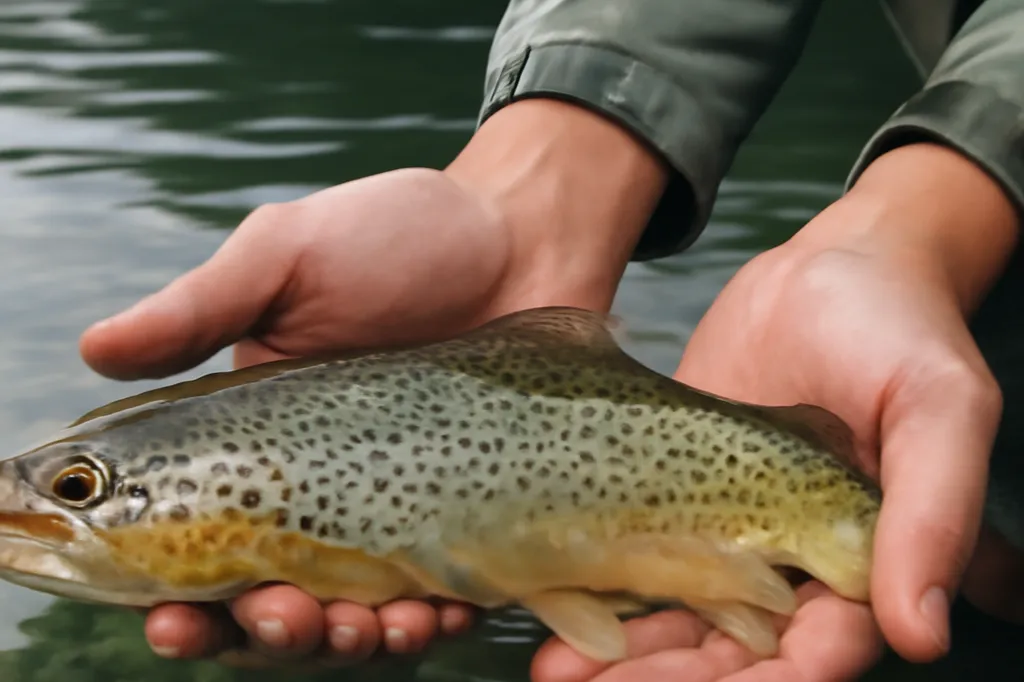
**Marc:** For a first visit, two guided fishing days within a three- or four-night stay create useful flexibility. The first outing covers boat routines, casting, lure selection and fish handling. On the second day, the beginner can repeat those skills under different weather or water conditions.A longer stay also leaves room for hiking, paddling or visiting a nearby community. That matters for couples and families whose members have different interests. It is usually better to plan one strong fishing component than to book every waking hour before knowing how guests will react to early starts, insects or boat motion.
Licences, local access and boating safety
**Emma:** What must a non-resident know about Quebec fishing licences?
**Marc:** In general, a visitor who fishes Quebec waters needs the appropriate non-resident sport-fishing licence. Catch-and-release fishing does not normally remove that requirement. Atlantic salmon has separate licence categories, and fishing a managed salmon river may also involve access rights, registration procedures or sector rules.The licence is only one layer. Anglers must identify the fishing zone, open season, permitted gear, daily catch limit, possession limit and any length restrictions for the species and waterbody. Special rules can apply to a particular lake, river or outfitting territory. Regulations can also change for conservation reasons during the season, especially on salmon rivers.
The Government of Quebec’s official sport-fishing regulations should be the primary source. A lodge can explain local requirements and may help guests obtain licences, but the angler remains responsible for complying. Carry the licence and identification in the form required, and confirm rules again shortly before departure rather than relying on an old screenshot or forum post.
**Emma:** What are the essential safety habits on a guided lake trip?
**Marc:** Wear a properly fitted personal flotation device whenever the boat is moving, even if local practice appears more relaxed. Transport Canada establishes the required safety equipment for recreational boats, including an approved lifejacket or personal flotation device of an appropriate size for every person on board. Operator-competency requirements may depend on the craft and circumstances, so visitors renting or operating a motorboat should clarify documentation with the lodge and consult Transport Canada’s boating-safety information.Cold water is an underestimated Quebec hazard. A warm afternoon does not mean the lake is warm enough for a safe unplanned swim. Wind can also build quickly on large lakes, making the return trip wet, rough or impossible on the original route.
Before leaving the dock:
- Check the forecast and the guide’s turnaround plan.
- Tell someone where the boat is going and when it should return.
- Keep rainwear, warm layers and essential medication protected from water.
- Know where the first-aid kit, signalling equipment and emergency communication device are stored.
- Keep hands clear while docking and remain seated when instructed.
- Stop fishing before lightning reaches the area; a graphite rod should not be held during a thunderstorm.
- Use eye protection when people are casting hooks in a confined boat.
The Canadian Safe Boating Council and Transport Canada both provide dependable boating-safety guidance. For remote trips, ask what communication system the lodge uses because ordinary cellular coverage may be absent.
What equipment is supplied—and what to pack
**Emma:** Can an overseas visitor arrive without fishing equipment?
**Marc:** Often yes, if the package explicitly includes tackle. Many guided operations can provide rods, reels, basic lures, landing nets and safety equipment. Some include boats, outboard motors and fuel; others rent those items separately. Fly-fishing lodges may expect experienced guests to bring personal rods, lines, leaders and waders, even when loaner equipment is available.Never assume that “boat included” means the motor, fuel and guide are also included. Similarly, “fishing gear available” might mean a limited rental supply rather than a complete personal kit. Request an itemized list, including costs for lost or damaged equipment.
Even on a fully equipped trip, I advise bringing:
- Polarized sunglasses and a retaining strap
- A brimmed hat and high-SPF sunscreen
- Waterproof rain jacket and rain trousers
- Warm layers that can be added under rainwear
- Insect repellent and, for spring trips, a head net
- Quick-drying trousers rather than heavy cotton jeans
- Waterproof footwear or rubber boots recommended by the lodge
- Personal medication and a small dry bag
- Reusable water bottle
- Phone or camera protection
- Passport details and copies of booking and licence documents
For wading, use only the equipment recommended by the river operator. Wading belts, suitable boots and a staff may be important, but rules concerning boot materials and aquatic invasive species can differ. Clean, drain and dry fishing equipment before moving between waters, and ask whether the lodge requires disinfected gear.
**Emma:** Should guests bring a cooler to take fish home?
**Marc:** Only after confirming the lodge’s policy, possession limits and transportation rules. Some fisheries encourage or require release in certain circumstances; others allow guests to keep legal fish for meals. A guide should demonstrate wet-hand handling, appropriate net use and quick release when a fish is not retained.International travellers also need to examine customs and airline rules before attempting to transport fish across a border. The simplest plan is often to enjoy a legally retained fish at the lodge and treat the experience—not a full cooler—as the trip’s objective.
Wildlife watching without disturbing the wild
**Emma:** What animals might guests see around a Quebec nature lodge?
**Marc:** Common observations can include loons, ducks, herons, beavers and white-tailed deer. Depending on the region and habitat, guests may also encounter moose, black bears, foxes, otters or birds of prey. Gaspésie adds possibilities associated with mountain, river and coastal environments, although no wildlife sighting is guaranteed.Fishing boats can provide excellent viewing, but the fishing goal should never justify crowding an animal. Slow down near shorelines, avoid repeatedly approaching a loon or its chicks, and do not position a boat between a parent and young. Use binoculars or a telephoto lens instead of closing the distance.
**Emma:** What etiquette should lodge guests follow on land?
**Marc:** Parks Canada’s wildlife guidance offers a sound principle: observe wildlife from a safe distance, never feed it and keep food or garbage inaccessible. Feeding changes animal behaviour and can create dangerous associations between people and food. A bear beside a road or cabin is not an invitation to leave the vehicle or approach for a photograph.Guests should follow several practical rules:
- Store food, fish remains and scented products as directed by the lodge.
- Never leave scraps on a trail or beside a firepit.
- Give moose, bears and other large animals a clear escape route.
- Keep voices low around nesting birds and shoreline habitat.
- Do not use recorded calls to draw wildlife closer.
- Follow posted restrictions on fires, trails, drones and motorized access.
- Clean fishing line and hooks from docks, boats and shorelines.
Dogs require particular planning. A pet may react unpredictably to wildlife, while wildlife may perceive even a friendly dog as a threat. Keep pets under direct control, respect the property’s leash rules and never allow them to chase birds or mammals. Travellers bringing an animal can compare practical considerations in our English guide to pet-friendly cottages in Quebec.
Building a balanced lodge itinerary
**Emma:** What would a well-designed first Quebec lodge trip look like?
**Marc:** I would arrive before dark, especially if the final section follows an unfamiliar forest road. The first evening should be used for orientation: confirm meal times, licence details, emergency procedures, dock rules and the next morning’s clothing. It is much calmer to fit a lifejacket and organize rainwear at the lodge than at dawn in a rocking boat.Day two can be a half- or full-day guided session focused on basic skills. Day three might combine another fishing outing with a short hike, canoe excursion or quiet wildlife watch. A fourth morning provides a weather reserve or a final outing before departure.
For international visitors, I also recommend leaving time between the lodge and the return flight. Forest roads, ferry schedules, construction and weather can affect travel. A remote lodge is best enjoyed when the schedule does not turn every transfer into a race.
Most importantly, choose the experience before choosing the trophy species. A comfortable lakeside chalet with a patient guide may create a better introduction than an advanced expedition built around long days, technical casting and difficult access. Quebec’s lodge culture is broad enough to accommodate both—but they are not the same holiday.
FAQ
Do international visitors need a fishing licence in Quebec?
Yes, non-resident anglers generally need an appropriate Quebec sport-fishing licence, even when practising catch and release. Atlantic salmon fishing requires a specific licence, and additional river or territory access conditions may apply.
What is the best month for a first Quebec fishing-lodge stay?
June and September are attractive for many visitors because they can offer active fishing and moderate temperatures, but conditions differ by region and species. Verify the legal season, insect conditions and lodge operating dates before booking.
Are rods and boats normally included at a fishing lodge?
They are often available, but inclusions vary considerably. Ask whether rods, tackle, boat, motor, fuel, lifejackets and guiding are included or charged separately.
Can non-anglers enjoy a Quebec nature lodge?
Yes; many properties offer paddling, hiking, swimming, wildlife watching or simply quiet waterfront accommodation. Confirm which activities, watercraft and safety equipment are available during your specific travel dates.
Is Gaspésie suitable for a complete beginner?
Yes, provided the visitor books instruction with an operator experienced in teaching salmon fishing and understands the physical demands of wading or riverbank access. A lake-based Mauricie or Outaouais stay may nevertheless be a simpler first introduction to fishing in Quebec.