
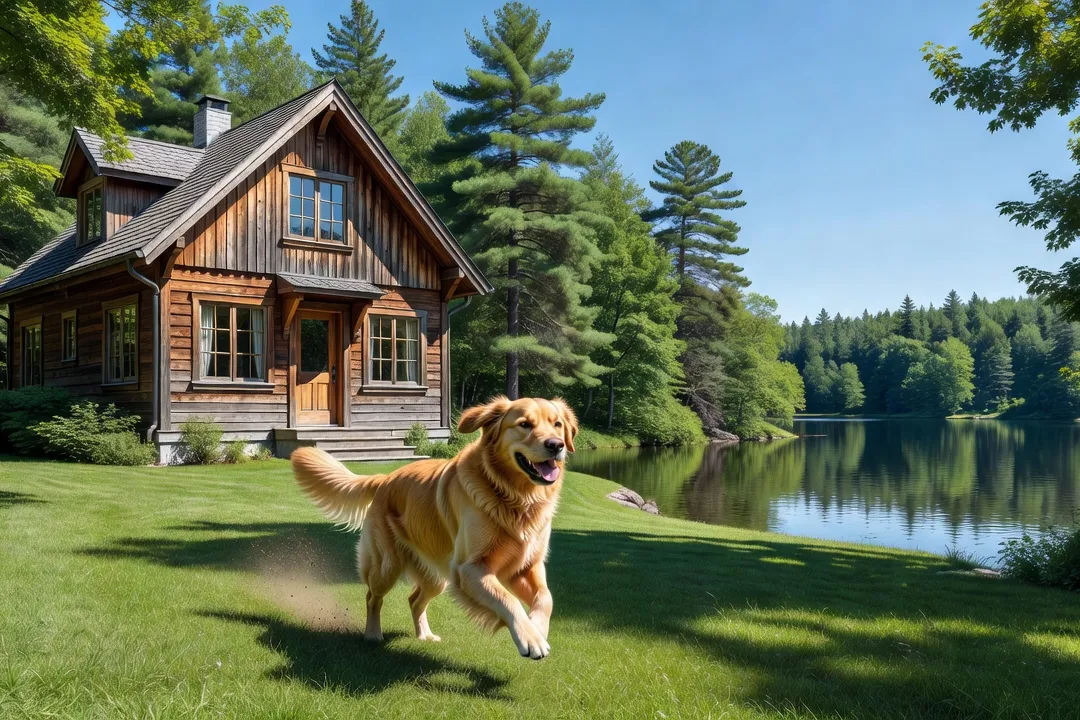
The top pet-friendly cottages in Quebec for 2026 sit in the Laurentians and Charlevoix regions, where many listings include fenced yards and direct trail access; always confirm the owner’s exact dog policy, any per-stay fees, and fencing height before you reserve.
What to Check Before Booking with a Dog
Review the rental agreement for weight limits, number of dogs allowed, and mandatory extra cleaning fees. Some owners require proof of current vaccinations and a refundable damage deposit. Ask specifically about leash rules on the property and whether the dog may be left alone indoors.
Fencing details matter most for off-leash time. Request the exact height and whether gates latch securely. Lake access rules also need clarification: some owners prohibit dogs on docks or in the water to protect water quality.
Check whether the fence encloses the entire property or only a smaller section near the chalet. A “fenced yard” can mean a compact patio enclosure rather than a true exercise area, particularly on sloped lakefront lots. If your dog jumps, digs, or reacts strongly to passing wildlife, ask whether the lower edge of the fence is secured and whether neighbouring dogs can approach the boundary.
Clarify the arrival and departure process as well. Some remote cottages use key boxes and have no owner on site, while others require a check-in meeting where rules are explained in person. This affects how easily you can ask about muddy trails, nearby livestock, snowmobile traffic, or any seasonal restrictions on outdoor use.
Cross-reference the property description with the site’s Laurentians guide to see which listings already list fenced yards and trail proximity.
Best Regions for Pet-Friendly Stays
The Laurentians offer the highest concentration of large-acreage chalets with perimeter fencing and nearby hiking paths maintained by regional parks. Eastern Townships properties frequently sit beside quiet country roads ideal for morning walks, while Charlevoix delivers dramatic river and mountain views with fewer crowds in shoulder seasons.
Mauricie and Outaouais provide more secluded forest settings that appeal to owners whose dogs enjoy scent work and swimming in calmer rivers. Gaspésie remains an emerging option for those seeking coastal trails, though winter access can limit availability.
For winter stays, the Laurentians and Charlevoix are generally easier choices because many chalet owners maintain driveways and entry paths throughout the season. Even so, confirm whether the yard is cleared enough for safe bathroom breaks and whether the deck stairs receive ice treatment. Deep snow can make conventional fencing less effective for athletic dogs, particularly where snowbanks build beside a gate or perimeter line.
Eastern Townships can suit guests travelling with older dogs because many properties have gentler terrain and open fields, although rural roads may have limited shoulders. In Mauricie, a private forest setting may offer privacy but also less lighting after dark, so bring a reflective collar, rechargeable leash light, and a reliable long line for evening outings.
Useful Amenities to Request
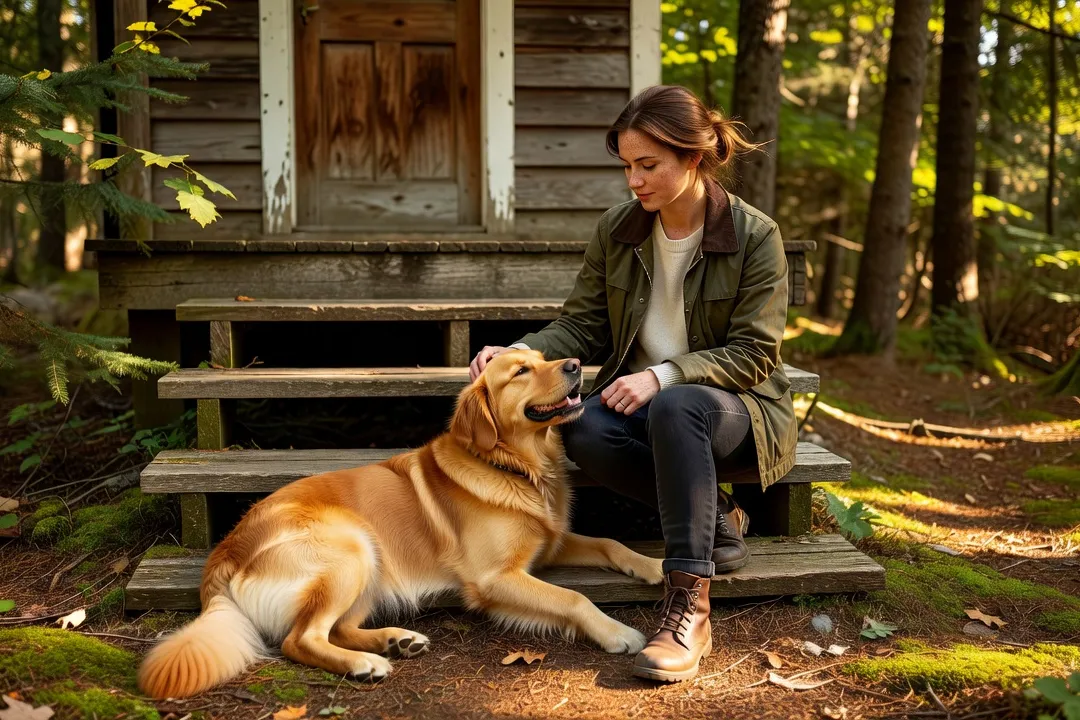
Prioritize chalets with a dedicated outdoor dog run or at least a shaded gravel area away from the main deck. An exterior hose bib near the entrance simplifies rinsing muddy paws before re-entering. Ground-floor bedrooms with direct exterior doors reduce stair accidents for senior dogs.
Ask for a boot tray and towel station indoors. Properties that supply waste-bag dispensers and a designated relief area keep both the lawn and the relationship with neighbours intact.
A mudroom is especially useful during spring thaw and autumn rain, when forest paths can leave paws and coats heavily soiled. If the cottage has hardwood floors, light rugs, or pale upholstered furniture, ask whether washable throws or pet covers are available. Bringing your own fitted sheet for the dog’s sleeping area is a simple way to prevent hair and dirt from reaching bedding or sofas.
For summer stays, shade is as important as fencing. Confirm whether the yard has mature trees, a covered porch, or a screened veranda where the dog can rest outside without exposure to direct afternoon sun. Window screens should also be secure, particularly in loft bedrooms or rooms overlooking a lake where a dog may react to birds, squirrels, or boat traffic.
Keeping Pets Safe Near a Lake, BBQ, and Fireplace
Secure the dog on a long lead or in a portable exercise pen when the grill is lit. Never leave food unattended on low tables. Store kindling and matches in closed bins so curious noses stay clear.
Near the lake, confirm the drop-off depth and current strength before allowing any swimming. Provide a canine life jacket for breeds with heavy coats or limited swimming experience. After each outing, check paws for leeches or sharp rocks.
Watch for fishing hooks, discarded line, and small pieces of bait around private docks. These hazards can be difficult to see, especially at dusk. Keep the dog away from cleaning stations, coolers, and shoreline areas used for launching boats. If the cottage provides kayaks, paddleboards, or a canoe, ask whether pets are allowed in the equipment and use a non-slip pad rather than allowing the dog to move freely on a wet surface.
Indoor fireplaces also require clear boundaries. Use the supplied screen, keep dog beds well away from heat, and do not allow a dog to sleep beside a wood stove overnight. Ashes can remain hot long after a fire appears extinguished, so wait until the stove or fire pit has cooled completely before disposing of ash or allowing the dog near the area.
How to Behave Around Local Wildlife
Quebec forests host black bears, moose, and white-tailed deer. Keep dogs leashed at dawn and dusk when wildlife is most active. Store all food, garbage, and pet treats inside sealed containers or the vehicle.
If a bear appears, bring the dog indoors immediately and make noise from a safe distance. Never approach deer or their fawns; sudden movements can trigger defensive charges. Follow guidance from Parks Canada and the Canadian Wildlife Federation on quiet observation only.
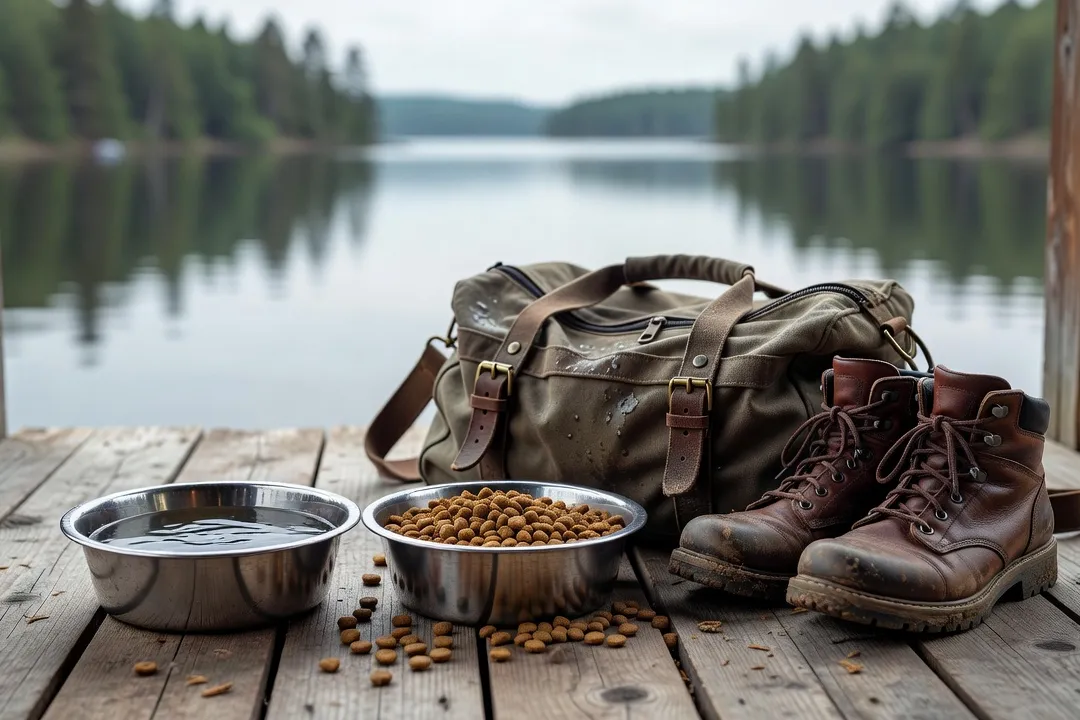
Porcupines, skunks, foxes, and raccoons are more common close to cottages than larger animals, particularly around garbage bins and outdoor kitchens. A curious dog can be injured by quills or sprayed after a brief encounter, so do a quick flashlight check before the final nighttime walk. Do not leave pet food outdoors, even in a covered bowl, because it can attract wildlife and encourage repeated visits to the property.
In tick season, inspect your dog after walks through brush, tall grass, or leaf litter. Pay close attention to the ears, neck, armpits, groin, and between the toes. A veterinarian can advise on suitable tick and flea prevention before travel, while a basic tick-removal tool belongs in any cottage first-aid kit.
Best Practices for a Stress-Free, Damage-Free Stay
Create a written daily routine that includes exercise, feeding, and quiet time so the dog settles quickly. Bring the dog’s own bed and a familiar toy to reduce anxiety in the new space.
Clean paws at the door every time and vacuum pet hair before departure. Report any minor damage immediately so the owner can address it before the next guest. Follow the site’s regulations and insurance page for clear expectations around liability and cleaning standards.
Keep interior doors closed when rooms are not in use, especially bedrooms with decorative bedding or furniture that may not be intended for pets. A portable baby gate can help create a calm sleeping area without relying on the chalet’s furniture arrangement. If your dog is crate-trained, bringing the crate is often the safest option for short periods when you need to unload groceries, use the hot tub, or step outside briefly.
Take timestamped photos of any existing scratches, torn screens, damaged fencing, or stained upholstery when you arrive. This is not only useful for deposit discussions; it lets you alert the owner quickly if a gate needs repair or if an outdoor hazard could affect your dog. Before departure, check beneath beds, sofas, and deck furniture for toys, waste bags, food wrappers, and dog hair.
| Region | Typical Fenced Acreage | Trail Access (km) | Lake/River Entry | Peak Season Dog Fee |
|---|---|---|---|---|
| Laurentians | 1–3 | 5–15 | Common | $75–125 |
| Charlevoix | 0.5–2 | 3–10 | Moderate | $50–100 |
| Eastern Townships | 2–4 | 8–20 | Variable | $60–110 |
| Mauricie | 3–6 | 2–8 | Limited | $40–90 |
- Confirm all pet fees and rules in writing at booking.
- Pack a basic canine first-aid kit with tweezers and antiseptic wipes.
- Schedule a final property walk-through with photos before leaving.
Outdoor Layout Features That Help
Properties highlighted in the exterior amenities guide often include low-maintenance gravel runs and raised feeding stations that keep bowls clean. These details reduce tracking of dirt and make daily life simpler for both dog and owner.
Look for a clear transition between parking, entryway, and outdoor living space. A short, level path from the vehicle to the door is valuable when carrying food, luggage, a dog crate, and wet towels. It also reduces slipping risks for dogs with mobility issues. Covered entrances are particularly practical during rain, freezing rain, and spring snowmelt.
A separated fire-pit zone, screened garbage enclosure, and deck railing with narrow gaps can make a noticeable difference. Wide railings may allow a small dog to slip through, while unfenced decks can be difficult for reactive or easily distracted dogs. If the rental has landscaped gardens, ask whether the owner uses fertilizers, herbicides, or pest treatments before allowing your dog to explore freely.
Charlevoix-Specific Options
Many Charlevoix listings near Baie-Saint-Paul and La Malbaie sit on larger lots with river or mountain outlooks. The Charlevoix rental overview flags several homes that already advertise double-fenced perimeters and nearby conservation trails suitable for daily walks.
The region’s steep roads and changing weather deserve extra planning. In winter, pack traction aids for yourself and avoid letting the dog run loose near driveways or roadside snowbanks, where visibility can be limited. In warmer months, riverfront and hillside properties may have uneven terrain, so inspect paths for loose rock, exposed roots, and sharp gravel before choosing an off-leash area.
Charlevoix’s scenic outlooks can also mean more visitors, cyclists, and wildlife passing close to the property. A double-fenced layout is useful for dogs that bark at movement beyond the boundary, while a quieter inland property may be better for nervous dogs. Shoulder-season stays can provide cooler hiking conditions and more availability, but verify that nearby trails, restaurants, and veterinary services remain open on your travel dates.
FAQ
What vaccination records do most Quebec chalet owners require?
Owners typically ask for proof of rabies, distemper, and bordetella within the past year. Keep digital copies on your phone and a printed set in the vehicle for quick presentation at check-in.
Are there weight or breed restrictions at pet-friendly chalets?
Some properties cap dogs at 35 kg or exclude certain guardian breeds. Always read the specific listing notes rather than assuming a blanket policy across the site.
How close do trails need to be for daily exercise?
Properties within a five-minute drive of marked trails or with on-site looped paths of at least two kilometres work best for active dogs. Verify trail conditions through local tourism offices before arrival.
Can dogs swim in the lake at the rental?
Many owners allow supervised swimming provided the dog does not chase wildlife or damage shoreline vegetation. Confirm the rule in advance and supply a life jacket for safety.
What happens if my dog damages the chalet?
Report any incident immediately. Most owners deduct repair costs from the damage deposit; clear communication and prompt photos usually resolve the matter without further claims.