
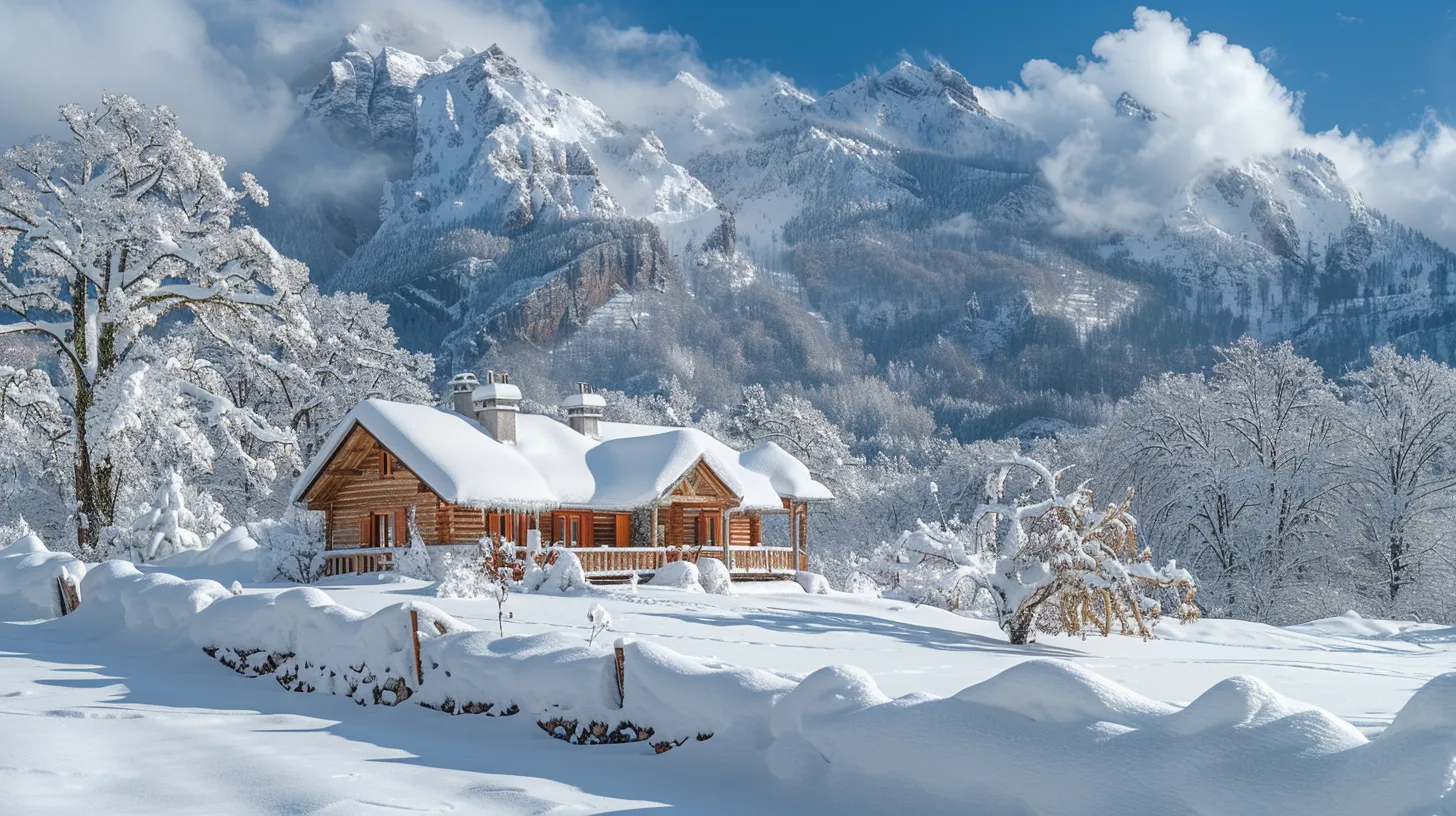
Canada is one of the world’s great skiing nations. With mountain ranges stretching from the Atlantic to the Pacific, long, snowy winters, and world-class infrastructure, the country offers skiing experiences for all levels. But skiing in Canada is also a culture: one of chalets, fireside relaxation after a day on the slopes, and hot chocolate shared with family.
Choosing a chalet for a ski trip transforms a simple day on the slopes into a true winter experience. Proximity to the slopes, the comfort of private accommodation, and the freedom to organize your stay at your own pace make all the difference compared with a traditional hotel stay. Here is an overview of the best destinations and the criteria to consider for your next chalet ski trip.
Whistler Blackcomb — the jewel of the West
Whistler Blackcomb, in British Columbia, is regularly ranked among the best ski resorts in the world. With more than 3,300 hectares of skiable terrain, 200 marked runs, and a vertical drop of more than 1,600 metres, the resort offers a scale that is difficult to match in North America.
Snowfall is abundant—an average of 11 metres per season—and the season generally runs from November to May, or even until June on the Blackcomb Glacier. The runs cover all levels, from long groomed descents for beginners to narrow chutes and alpine bowls for expert skiers. The pedestrian village of Whistler, at the foot of the slopes, is full of restaurants, shops, and bars that liven up après-ski.
Chalets in Whistler fall into several categories. Luxury slopeside properties offer ski-in/ski-out access, while chalets located in the residential neighbourhoods of Creekside or the North Village provide a quieter environment just minutes from the lifts. Rates reflect the resort’s international reputation—a chalet for 8 people during peak season can cost more than 5,000 dollars per week.
For skiers from Eastern Canada, Whistler is a trip in itself. The flight from Montréal or Toronto takes approximately 5 hours, and the drive from Vancouver takes 90 minutes along the Sea-to-Sky Highway, one of the most spectacular roads in the country. It is a destination that deserves a stay of at least one week to enjoy it fully.
Mont Sutton — the charm of the Eastern Townships
At the opposite end of the spectrum from the major resorts, Mont Sutton offers a radically different skiing experience. This family-friendly resort in the Eastern Townships is known for its exceptional glades and relaxed atmosphere. With 60 runs spread across a vertical drop of 460 metres, Sutton does not try to compete with the giants—it instead cultivates its unique character.
Sutton’s glades are among the best in the eastern part of the continent. The forest, composed of 70% deciduous trees, offers a natural playground where the trees are spaced far enough apart to allow smooth skiing between the trunks. On stormy days, when visibility is reduced on open runs, Sutton’s glades provide natural reference points and snow protected from the wind.
The resort remains a family affair. The Boulanger family, who founded Mont Sutton in 1960, still own and manage it. This continuity creates an authentic atmosphere, far removed from the standardization of large corporate resorts. Rates are reasonable, the welcome is warm, and the local skiing community gives the place a rare sense of belonging.
Our Le Mont Sutton chalet is located only 300 metres from the slopes, on a cul-de-sac lined with mature trees. After a day of skiing, it takes only a few minutes on foot to return to the comfort of the chalet, the wood-burning stove, and the terrace overlooking the forest. It is one of the few accommodations that allows guests to experience skiing at Sutton without ever getting into a car. To learn all about glade-skiing techniques, trail maintenance, and advice from a mountain professional, read our interview with Alexis Gagnon, a Level 4 ski instructor at Mont Sutton.
Mont-Tremblant — the Laurentians at their best
Mont-Tremblant is the largest ski resort in Eastern Canada and one of the most renowned in North America. With 102 runs, 4 sides, and a vertical drop of 645 metres, the resort offers a variety of terrain that satisfies beginners and experts alike. The pedestrian village at the foot of the slopes, inspired by traditional Québec architecture, adds a festive dimension to the stay.
The resort regularly invests in its infrastructure. Snowmaking covers most of the runs, ensuring reliable skiing conditions even during unpredictable winters. Modern lifts reduce wait times, and the ski area is large enough to avoid the crowded feeling found at some popular resorts.
Beyond downhill skiing, the Mont-Tremblant region offers a range of winter activities. Mont-Tremblant National Park features snowshoeing and cross-country skiing trails in a wilderness setting. Dog sledding, snowmobiling, and ice skating round out the offerings. The village also offers lively nightlife with its restaurants, bars, and seasonal events.
The Domaine du Lac Marsan, located in Rivière-Rouge in the Upper Laurentians, offers convenient access to Mont-Tremblant while preserving the tranquillity of a lakeside setting. After a day on the slopes, returning to a chalet with a hot tub, sauna, and lake views provides a complete skiing experience, where physical activity and relaxation complement each other perfectly.
Comparison of the 3 featured resorts:
| Resort | Runs | Vertical drop | Season | Atmosphere |
|---|---|---|---|---|
| Whistler Blackcomb (B.C.) | 200+ | 1,600 m | November to May/June | International, luxury |
| Mont Sutton (Eastern Townships) | 60 | 460 m | December to April | Family-friendly, glades |
| Mont-Tremblant (Laurentians) | 102 | 645 m | December to April | Festive village, 4 sides |
Architectural features of ski chalets
Canadian ski chalets have architectural features shaped by the climate and tradition. Steeply pitched roofs are a structural necessity—they allow snow to slide off rather than accumulate, preventing loads that can reach several tonnes during snowy winters. This technical constraint has become a distinctive aesthetic element of Québec chalets.
Wood remains the dominant material, both for the structure and for interior finishes. Pine, cedar, and spruce are the most common species. Wood provides natural insulation, resistance to temperature fluctuations, and a visual warmth that defines the chalet atmosphere. Hardwood floors, exposed beams, and wall panelling create an environment that invites relaxation.
Large windows are another characteristic feature. They make it possible to enjoy natural light—precious during short winter days—and admire the snowy landscape from indoors. Triple-glazed windows, which have become standard in recent construction, provide effective thermal insulation while offering panoramic views.
The wood-burning stove or fireplace occupies a central place in ski chalet architecture. Beyond its function as a supplementary heat source, it is the social heart of the home—it is around the fire that families gather after a day on the slopes. Slow-combustion models, which are more efficient and less polluting than traditional open fireplaces, are now preferred.
How to choose your ski chalet
Choosing a ski chalet involves several criteria worth considering. Proximity to the slopes is the first factor. A ski-in/ski-out chalet, accessible directly from the runs, offers maximum convenience but commands a higher price. A chalet located a few minutes by car from the resort makes it possible to combine access to skiing with residential tranquillity, often at a more affordable rate.
The type of chalet influences the experience. Traditional log chalets offer a rustic and authentic atmosphere. Contemporary chalets focus on design, modern materials, and high-end amenities (hot tub, sauna, home automation). Family chalets prioritize space, with several bedrooms, a games area, and a full kitchen for group meals.
Capacity should match the size of the group. A chalet that is too small creates discomfort, while one that is too large represents an unnecessary expense. For a family of 4, a 2-bedroom chalet is sufficient. For a group of friends or a family gathering, look for 3 to 4 bedrooms with at least 2 bathrooms.
Finally, check the included amenities before booking:
- Ski storage: a dedicated space for skis and snowboards prevents clutter in the entrance.
- Drying area: essential for technical clothing after a day in powder.
- Snow-cleared parking: an often-overlooked but crucial criterion during snowstorms.
- Hot tub or sauna: transforms the return from skiing into a true moment of relaxation.
- Well-equipped kitchen: makes it possible to prepare comforting meals without relying on resort restaurants.
FAQ
Conclusion
Canada offers skiing experiences for every taste and budget. From the dizzying slopes of Whistler to Sutton’s intimate glades and the scale of Mont-Tremblant, each destination has its own personality. Choosing a chalet transforms a simple ski trip into a true winter immersion.
At Soleica Chalets, we offer properties ideally located for skiing. Whether you are looking for immediate proximity to the slopes at Mont Sutton or the luxury of a lakeside estate near Mont-Tremblant, we have the chalet you need. Contact us to plan your next ski trip in Québec.